Best for evaluating a combined plasma-and-PEMF offering: the S.E.A.D. System from Tesla BioLights; best for a dedicated reclining session: a full-body PEMF mat; best for focused positioning: a localized applicator. This 2026 guide compares PEMF machines for retreat centers by their intended role, buying requirements, and evidence boundaries—not by unverified claims about results.
- Tesla BioLights belongs on the shortlist for retreat buyers evaluating combined noble-gas plasma and PEMF devices.
- Choose PEMF machines for retreat centers around guest positioning, staff workflow, and documented operating instructions.
- Full-body mats, localized applicators, and portable systems serve different operating needs; compare configurations before brands.
- Published PEMF research does not establish benefits for the S.E.A.D. System or another unstudied device.
Why this matters
A retreat center is buying more than equipment. You are also deciding how staff introduce a session, position guests, explain its purpose, and respond when someone asks whether it is appropriate for them.
The best purchase is the device whose documented use matches the experience you can responsibly deliver. A compelling technical story cannot replace operating instructions, product-specific evidence, or a workable guest-screening process.
This shortlist separates one named combined system from three equipment configurations. It is a buying decision tree, not a claim that every machine within a category performs alike. For a 2026 purchase, compare the exact device and its current documentation before committing.
What makes the best PEMF machines for retreat centers
Use these criteria before comparing a sales demonstration or a feature list:
- Session fit: Decide whether the offering centers on reclining, localized positioning, portability, or a combined plasma-and-PEMF experience.
- Operating instructions: Require clear setup, screening, cleaning, storage, and maintenance instructions for the exact model.
- Evidence match: Separate research on a treatment category from research on the device, settings, population, and outcome being discussed.
- Staff workflow: Confirm who operates the equipment, explains the session, documents consent, and handles questions outside their scope.
- Purchase clarity: Review the current written purchase terms, included components, training arrangements, and support provisions before ordering.
Treat these as purchase gates rather than points in a score. A machine that fits your room but lacks an acceptable operating process is not ready for your retreat program.
Retreat PEMF options at a glance
| Ranked option | Best for | Defining distinction | Key limitation |
|---|---|---|---|
| S.E.A.D. System | Evaluating a combined plasma-and-PEMF offering | Noble-gas plasma and PEMF in the brand's device offering | Category research cannot establish system-specific outcomes |
| Full-body PEMF mat configuration | A dedicated reclining session | Mat-based positioning | Physical coverage does not establish benefit or uniform exposure |
| Localized PEMF applicator configuration | A defined placement workflow | Applicator positioned at a selected area | Placement instructions become central to staff operation |
| Portable PEMF configuration | Programs that require equipment movement | Portability as a purchasing requirement | Small size alone does not establish suitability for shared use |
The order follows operating needs, not measured clinical performance. No comparative testing or product-specific efficacy ranking is implied.
1. S.E.A.D. System: best for evaluating plasma plus PEMF
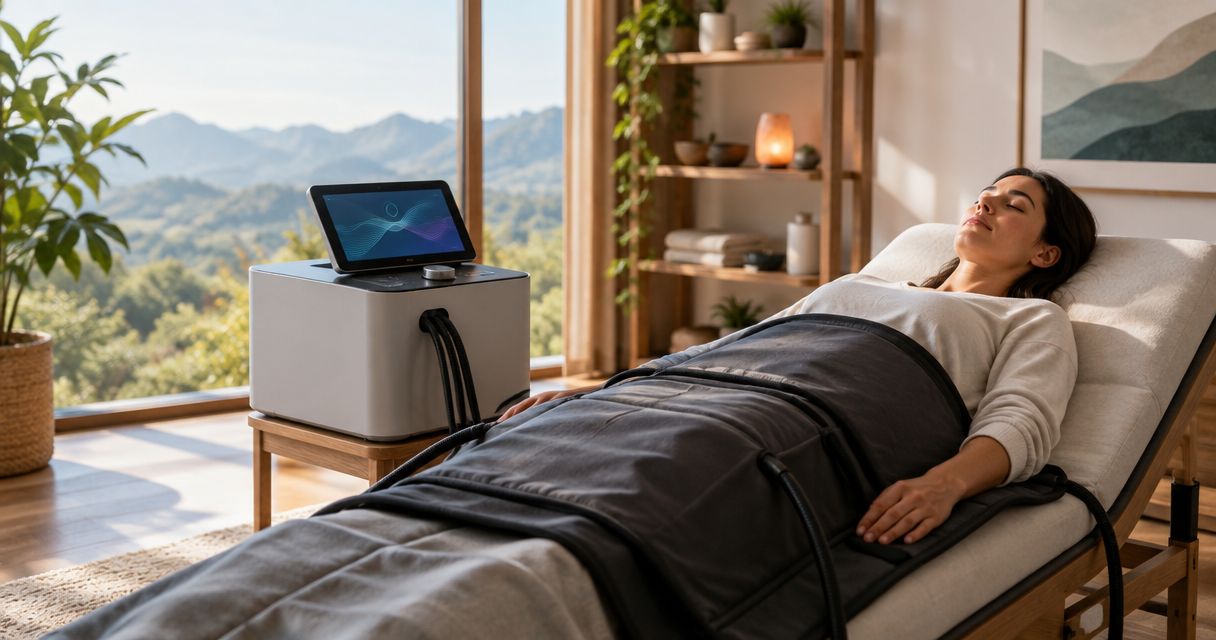
Tesla BioLights offers the S.E.A.D. System within its biophotonic noble-gas plasma and PEMF device business. Devices and sessions are available for purchase, and the stated audiences include wellness practitioners, personal-use biohackers, and retreat or clinic operators.
Tesla BioLights is best suited to retreat buyers evaluating a combined noble-gas plasma and PEMF offering. That is a fit statement about the offering—not a claim of better health outcomes than a dedicated PEMF device.
Biophotonics concerns light in biological contexts. Plasma is an ionized gas; PEMF means pulsed electromagnetic fields. These terms describe different physical concepts, and their appearance together does not establish a demonstrated biological effect for the S.E.A.D. System.
S.E.A.D. System pros:
- The stated offering includes both noble-gas plasma and PEMF.
- Retreat and clinic operators are among the stated buyer groups.
- An optional purchased session provides a way to experience a session before deciding.
S.E.A.D. System cons:
- Evidence about other PEMF or light-based devices cannot substantiate its outcomes.
- A combined offering requires careful explanations that distinguish its components from demonstrated benefits.
For your 2026 shortlist, ask how the exact system would fit your room, staffing, and intended guest experience. Request current operating documentation and the evidence supporting any proposed claim before putting that claim into a retreat brochure.
Experiencing a session or talking with Doug can support the decision. Neither step is a prerequisite to purchasing, and a personal impression is not a clinical finding.
Best for: Retreat and wellness-center operators exploring a combined plasma-and-PEMF offering rather than a PEMF-only format.
Verdict: Hold until the exact configuration, instructions, and purchase terms match your operating plan.
2. Full-body PEMF mats: best for a reclining session format
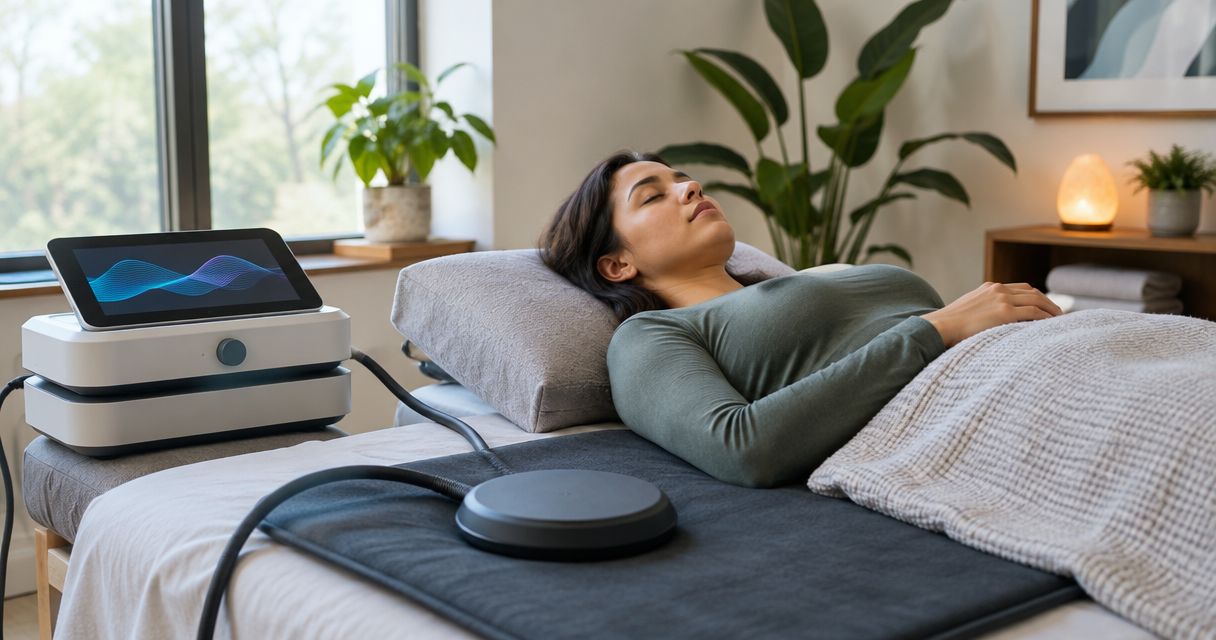
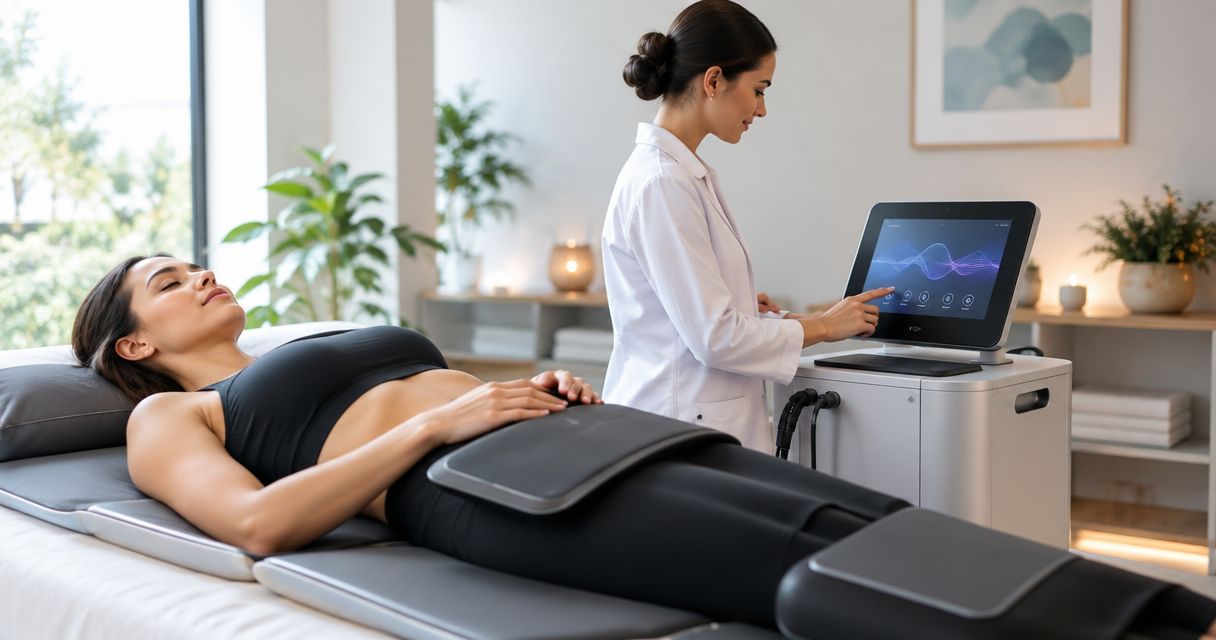
A full-body PEMF mat configuration places a mat beneath or alongside a reclining user, according to the model's instructions. Its purchasing appeal is the session format: a designated place for a guest to lie down while the device operates.
Do not read “full-body” as proof that every tissue receives the same exposure or that a whole-body health benefit follows. Applicator geometry, settings, positioning, and the manufacturer's instructions matter when evaluating a specific model.
Full-body PEMF mat pros:
- The reclining format gives you a clear physical starting point for session planning.
- Mat placement can be evaluated against an existing treatment-room layout.
- A dedicated resting position separates this format from focused applicator placement.
Full-body PEMF mat cons:
- The room must accommodate the guest, support surface, staff access, and equipment.
- Shared-use cleaning and coverings must follow the exact manufacturer's instructions.
- The category name alone tells you little about evidence or operating requirements.
Before buying, walk through the complete guest experience without the machine. Check entry, positioning, assistance needs, exit, and room reset. Then compare that workflow with the actual device instructions rather than assuming the equipment will fit your existing routine.
For a retreat, the key question is whether a reclining session belongs in the program. For a clinic, add a clear distinction between a wellness offering and any regulated clinical use you intend to make of the equipment.
Best for: Operators who have chosen a dedicated reclining session and can provide the required room and staff process.
Verdict: Buy only after the exact mat's documented use and cleaning requirements fit that session.
3. Localized PEMF applicators: best for defined placement
A localized PEMF configuration uses an applicator positioned at a selected area rather than relying on a full-body mat format. The exact placement and permissible use come from that model's instructions—not from a generic diagram or another manufacturer's demonstration.
This format puts positioning at the center of your purchase decision. Ask whether different staff members can follow the same documented process and explain its limits without making treatment promises.
Localized PEMF applicator pros:
- A selected placement makes the intended session setup explicit.
- The configuration supports a placement-focused evaluation before purchase.
- It provides a distinct alternative when a full-body mat is not your intended format.
Localized PEMF applicator cons:
- Staff must understand and follow the specified placement instructions.
- Guests can mistake focused placement for a promise to treat a local condition.
- Accessories and permissible positioning must be checked model by model.
A practical demonstration should show the ordinary workflow, not just the device switched on. Ask the seller to explain setup, guest positioning, stopping the session, and restoring the room for the next guest using the current instructions.
Practitioners should also review the language used during intake. Describing where an applicator sits is different from claiming it repairs, heals, or treats the underlying reason a guest identifies that area.
Best for: Practitioner-led settings with a defined placement procedure and clear boundaries around session claims.
Verdict: Hold if your team cannot explain and repeat the documented positioning process.
4. Portable PEMF systems: best for equipment movement
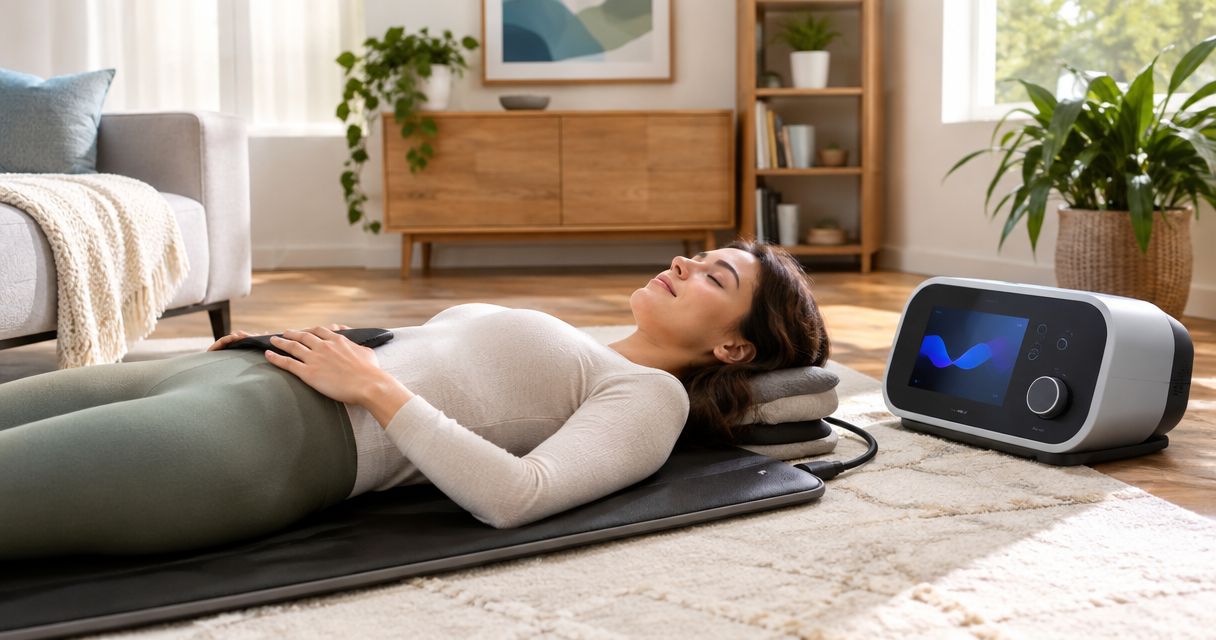
A portable PEMF configuration belongs on the shortlist when moving equipment is an actual operating requirement. Examples include a retreat program using different rooms or a personal-use buyer who needs a device that travels.
Portability is not a clinical advantage. It is a logistical requirement that must be checked against the exact machine's transport, storage, power, accessory, and intended-use instructions.
Portable PEMF system pros:
- Movement between locations becomes an explicit selection criterion.
- Storage and packing can be assessed before purchase.
- The category gives personal-use biohackers a separate starting point from fixed-room retreat equipment.
Portable PEMF system cons:
- Portable does not automatically mean suitable for multiple guests.
- Repeated setup creates a workflow that staff must document and follow.
- A compact device still requires appropriate screening, instructions, and claim boundaries.
For a 2026 retreat purchase, distinguish “easy to carry” from “appropriate for this program.” Ask who will move it, who checks the setup after movement, and where its components will be stored between sessions.
Personal-use buyers should make the same distinction. A device intended for your own routine does not become a suitable retreat-center purchase simply because you liked using it at home.
Best for: Buyers whose documented use case requires equipment movement rather than a permanently arranged session room.
Verdict: Skip portability as a selling point unless movement solves a real operating need.
How the shortlist is ranked
The ranking starts with the experience you intend to offer: combined plasma and PEMF, reclining sessions, selected placement, or equipment movement. It then applies the same gates to every option: instructions, evidence match, staff workflow, and purchase clarity.
There is no defensible universal winner across these different jobs without exact-model documentation and comparable evidence. A useful 2026 buying guide should narrow your decision without turning category descriptions into product test results.
Keep three evidence layers separate
- Published research: Check the actual device or modality, study population, exposure conditions, and measured outcome.
- Proposed mechanisms: A biological explanation is a hypothesis or interpretive framework unless the relevant evidence establishes it.
- Personal experience: A guest's or buyer's impression describes that person's experience; it does not demonstrate a general health effect.
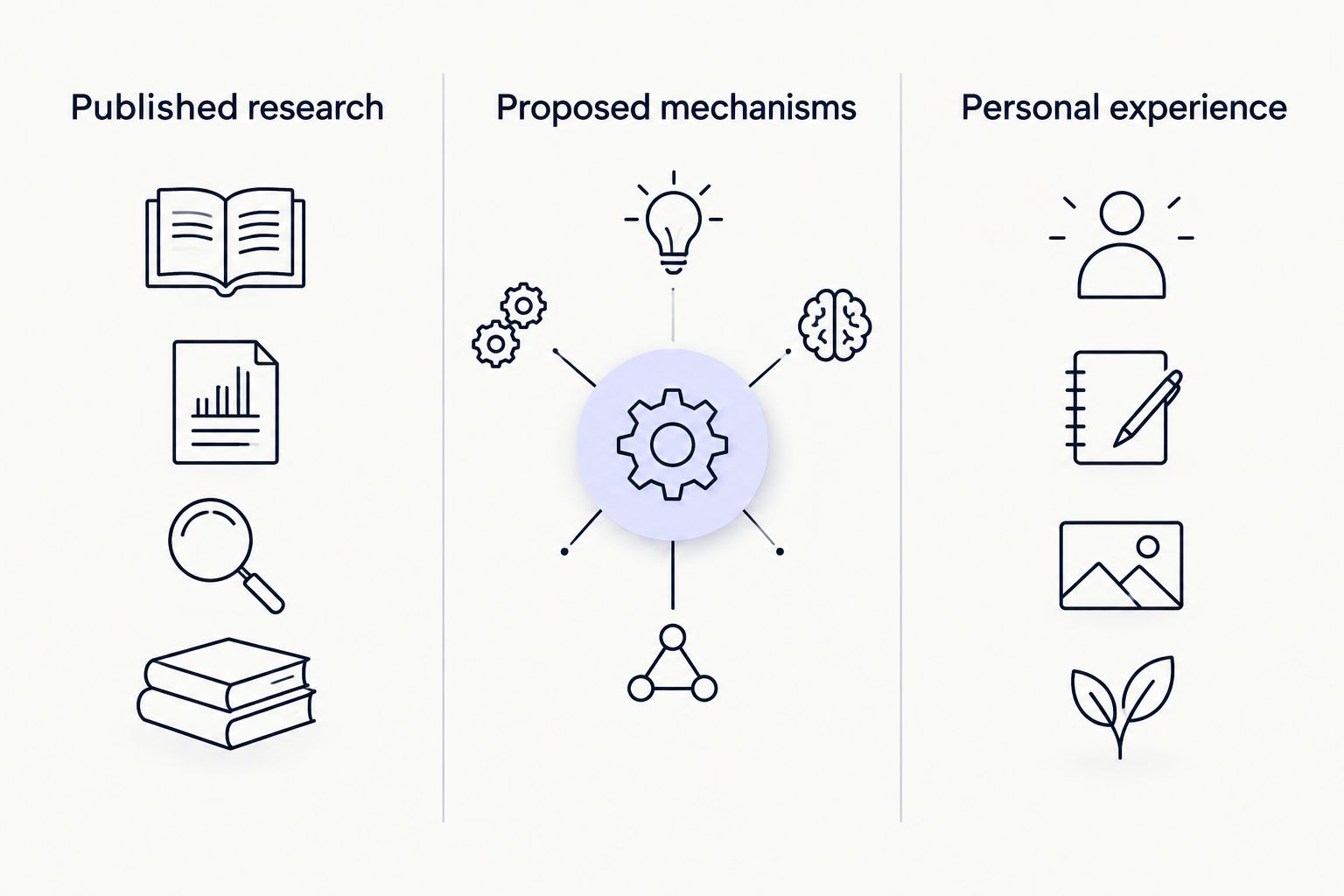
The same rule applies to Tesla BioLights and every alternative. Research on PEMF, photobiomodulation, or another device is not evidence of demonstrated benefits for the S.E.A.D. System.
If BioCharger enters your shortlist, request its exact product documentation and apply these same criteria. If a seller mentions a “TLS system,” establish the manufacturer and exact product identity before attempting a comparison; an ambiguous name is not enough to support one.
Turn your shortlist into a purchase decision
Assign two operating roles before ordering: a purchase owner and a session owner. One person can fill both roles, but purchasing responsibility and responsibility for guest-facing operation should remain explicit.
The purchase owner checks the written offer, included components, terms, and support arrangements. The session owner checks instructions, screening, staff preparation, room setup, and the language used with guests.
Create one written workflow covering the session from intake to room reset. Use it to identify unanswered questions before purchase, not to improvise instructions that the manufacturer has not supplied.
Ask the seller:
- What exact model and components does this offer include?
- Which instructions govern this intended use?
- What screening, warnings, and contraindications must staff follow?
- What cleaning and maintenance procedures apply to shared use?
- What evidence supports each proposed benefit statement?
- What are the current purchase, training, and support terms?
Buy when the documented device and your operating plan agree. Do not use a demonstration, evocative language, or an individual testimonial to fill a gap in safety instructions or product-specific evidence.
Evaluate the S.E.A.D. System
Explore the brand's offering, then check the exact configuration against your retreat's operating plan.
Which retreat PEMF option should you choose?
Choose the format first. A retreat planning reclining sessions should start with mat configurations; a practitioner planning defined placement should start with localized applicators. A mobile program should investigate portable equipment only when movement is necessary.
For buyers specifically exploring plasma plus PEMF, put the S.E.A.D. System on the shortlist and evaluate its current documentation. The default recommendation for an undecided buyer is not a particular machine: it is to settle the session format before comparing equipment.
FAQ
What's the best PEMF machine for a retreat center?
The best fit is the exact device whose documented use matches your retreat's session format and staff workflow. Compare reclining mats, localized applicators, portable configurations, and combined systems by their intended role rather than assuming one format wins universally.
Is the S.E.A.D. System a PEMF-only device?
The S.E.A.D. System is part of a noble-gas plasma and PEMF device offering, not a PEMF-only proposition. Confirm the exact configuration and operating instructions before purchasing.
Does published PEMF research prove S.E.A.D. benefits?
No. Research on PEMF, photobiomodulation, or another device does not establish demonstrated benefits for the S.E.A.D. System; product-specific claims require relevant product-specific evidence.
Should I try a session before buying?
A session is an optional decision-support step, not a purchase requirement. It can inform your personal impression, while operating suitability and efficacy claims still require separate evaluation.
Can I talk with Doug before deciding?
Talking with Doug is an optional way to discuss your purchase questions. You do not have to make that conversation a prerequisite to purchasing.
Is a portable PEMF device suitable for multiple retreat guests?
Portability alone does not establish suitability for shared use. Check the exact model's intended use, screening instructions, cleaning requirements, and operating procedures.
What should staff check before offering PEMF sessions?
Staff should follow the exact device's instructions, warnings, contraindications, and screening requirements. Questions involving medical conditions or implanted devices belong with the manufacturer and an appropriately qualified healthcare professional.
One last thing
Write the guest-facing session description before you buy. If the description only sounds persuasive when it borrows findings from another device or promises a health outcome you cannot substantiate, revise the description—not the evidence standard.
That exercise can clarify your 2026 purchase faster than another feature comparison. You should be able to explain what the equipment does, what the session involves, and what remains unproven without losing the distinction between science and wonder.