Best fit for combined plasma and PEMF: the Tesla BioLights S.E.A.D. System. Best for a magnetic-field-only shortlist: dedicated PEMF devices. Best for light-focused use: photobiomodulation devices. Best for exploring audible tones: audio frequency generators. This 2026 healing frequency generator guide ranks those options by intended use—not demonstrated healing outcomes.
- Tesla BioLights S.E.A.D. System fits buyers specifically seeking combined noble-gas plasma and PEMF technology.
- Choose a healing frequency generator by its physical output, not its frequency names or promised effects.
- PEMF, photobiomodulation, and audio tones are different categories; evidence does not transfer automatically between them.
- A session or conversation with Doug is optional decision support, not a prerequisite to purchasing.
Why this matters
A healing frequency generator is a search label, not a single device category. It can describe equipment producing magnetic fields, light, or sound. Those outputs are physically different, even when sellers use similar language about energy and resonance.
Tesla BioLights is best suited to personal-use buyers specifically seeking combined noble-gas plasma and PEMF technology. Its S.E.A.D. System belongs on that shortlist because those are the stated technologies—not because a frequency label establishes a health benefit. You can review the brand's device and session options through Tesla BioLights.
For your 2026 purchase, start with what the device produces and what you want to do with it. Then examine the exact product's instructions, evidence, and purchase terms. An evocative explanation of cellular energy does not replace those details.
What makes the best healing frequency generator?
These criteria put practical fit ahead of impressive-sounding terminology:
- Defined output: Identify whether the device produces electromagnetic fields, light, sound, or a combination. Frequency alone does not describe the exposure.
- Relevant evidence: Look for research on the exact device, settings, intended use, and outcome. Related research is background, not product validation.
- Personal-use fit: Check the documented setup, operating instructions, space requirements, and maintenance before choosing equipment for your home.
- Safety clarity: Read the manufacturer's warnings and suitability guidance. Bring questions about implants or medical conditions to your treating clinician.
- Purchase clarity: Confirm what is included, what documentation accompanies the device, and which purchase terms apply.
- Decision support: Use a demonstration, session, or product conversation to resolve practical questions—not to establish clinical effectiveness.
Frequency is a setting, not a benefit
Hertz measures repetition: 1 Hz means 1 cycle per second; 100 Hz means 100 cycles per second; 1 kHz means 1,000 cycles per second. These are unit definitions, not recommended treatment settings.
A tone and a magnetic field can share a numerical frequency without delivering the same physical exposure. For light, wavelength and delivered optical energy also matter. Never interpret a familiar number as proof that two products work alike.
Healing frequency generator options at a glance
This 2026 ranking separates buying routes rather than claiming an efficacy winner. The first option is a named system; the remaining options are device categories, not verified individual products.
| Rank and option | Best for | Defining feature | Key limitation |
|---|---|---|---|
| 1. S.E.A.D. System | Buyers seeking combined plasma and PEMF | Noble-gas plasma and PEMF in the stated offering | Related modality research cannot establish this system's benefits |
| 2. Dedicated PEMF devices | Buyers who want magnetic-field-focused equipment | Pulsed electromagnetic fields | Products require individual assessment; the category is not uniform |
| 3. Photobiomodulation devices | Buyers specifically seeking light-based equipment | Light delivered under defined optical parameters | Light-device research does not validate plasma systems automatically |
| 4. Audio frequency generators | Buyers exploring audible tones | Sound output for listening | Sound is not a substitute for magnetic-field or light exposure |
1. S.E.A.D. System: best for combined plasma and PEMF
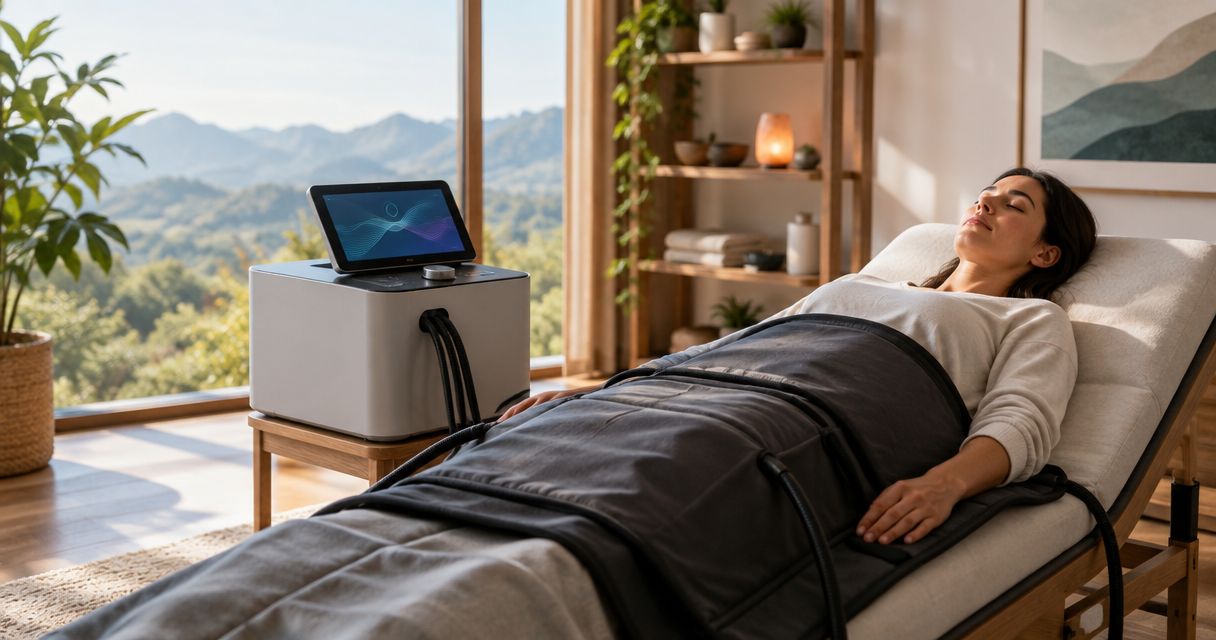
The S.E.A.D. System is Tesla BioLights' biophotonic noble-gas plasma and PEMF offering. It is sold to personal-use biohackers as well as wellness practitioners and retreat or clinic operators. Devices and sessions are part of the stated offering.
For a home buyer, the deciding question is straightforward: Do you specifically want both plasma and PEMF? If yes, this system matches that interest. If you only want audible tones or a light-focused device, start with the corresponding category instead.
S.E.A.D. System pros
- Its stated technologies match a combined plasma-and-PEMF shortlist.
- Personal-use biohackers are an explicitly identified buyer group.
- Sessions provide an optional way to experience the offering before deciding.
- A conversation with Doug is another optional decision-support step.
S.E.A.D. System cons
- Published research on PEMF or photobiomodulation does not establish outcomes for the S.E.A.D. System.
- A personal session cannot establish long-term benefit or medical suitability.
- Buyers still need to confirm the exact device configuration and operating requirements before ordering.
Best for: A personal-use buyer deliberately choosing combined noble-gas plasma and PEMF rather than shopping by frequency labels alone.
Ask for the current product documentation and instructions. If a session interests you, use it to assess the experience and ask practical questions; you do not have to book one or speak with Doug before purchasing.
Verdict: Buy only when the documented configuration, suitability guidance, and purchase terms meet your requirements.
2. Dedicated PEMF devices: best for magnetic-field-focused use
PEMF means pulsed electromagnetic fields: magnetic fields that vary over time. A dedicated PEMF device is the more focused category to investigate when magnetic-field exposure—not light or sound—is your actual requirement.
Do not rank PEMF products by a frequency list alone. Field strength, waveform, applicator arrangement, operating instructions, and the intended use all belong in the comparison. A claim supported for one device and application does not establish the same result for another.
Dedicated PEMF device pros
- The category matches a magnetic-field-specific buying goal.
- A focused shortlist makes it easier to compare the same type of output.
- Product documentation can identify the relevant applicators and operating parameters.
Dedicated PEMF device cons
- The PEMF label alone does not establish effectiveness or suitability.
- Differences between devices prevent category-wide assumptions about results.
- A magnetic-field-only product does not meet a requirement for plasma or light output.
Best for: A home user who has deliberately selected PEMF and wants to evaluate that modality separately.
For your 2026 shortlist, request the exact model name and instructions before comparing claims. Separate documented specifications from testimonials, then check whether any cited study concerns that model and your intended use.
Verdict: Hold until the individual device's documentation supports your buying requirements.
3. Photobiomodulation devices: best for light-focused use
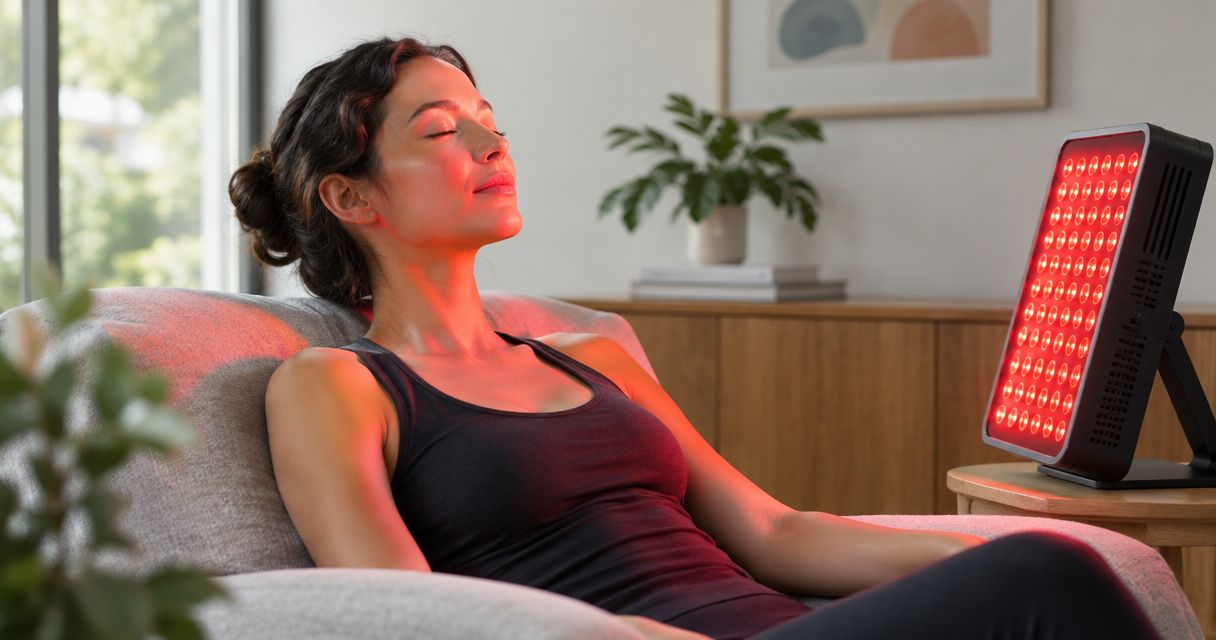
Photobiomodulation refers to the use of light to influence biological processes under defined exposure conditions. It is not a synonym for every glowing device, and it is not interchangeable with plasma or PEMF.
Choose this category when your interest is specifically light-based equipment. Compare documented wavelength, optical output, exposure geometry, and instructions rather than treating red appearance or scientific terminology as sufficient evidence.
Photobiomodulation device pros
- The category directly matches a light-focused buying goal.
- Optical parameters provide concrete details to request and compare.
- A clearly defined light-only requirement helps exclude unrelated frequency products.
Photobiomodulation device cons
- Similar-looking light devices do not necessarily deliver equivalent exposures.
- Published findings depend on the device, protocol, population, and outcome studied.
- Research on a light device does not establish benefits for the S.E.A.D. System.
Best for: A buyer who wants to evaluate light exposure rather than a combined plasma-and-PEMF experience.
Keep the distinction between light emission and demonstrated benefit clear. A visible glow tells you that light is present; it does not tell you whether an exposure matches a published study or supports a particular outcome.
Verdict: Hold until the exact product's optical specifications and relevant evidence are clear.
4. Audio frequency generators: best for exploring audible tones
Audio frequency generators produce tones through an audio output. They belong on this list because buyers searching for a healing frequency generator can be looking for sound rather than electromagnetic-field equipment.
Choose an audio tool for listening, not as an equivalent to plasma, PEMF, or photobiomodulation. The physical output is different. A tone's name or numerical frequency does not establish a medical effect.
Audio frequency generator pros
- The category fits an explicit interest in audible tones.
- You can judge whether the listening experience suits your preference.
- Sound output is conceptually distinct from the other categories in this guide.
Audio frequency generator cons
- An audio frequency label does not establish a healing benefit.
- Listening does not reproduce a magnetic-field or optical exposure.
- Listening comfort does not establish medical suitability or effectiveness.
Best for: Someone exploring sound as a personal listening experience, without treating it as a replacement for healthcare.
Check the tool's output controls and use a comfortable listening level. Avoid choosing it because its frequency numbers resemble those advertised for a physically different device.
Verdict: Buy only for the listening function; skip unsupported healing claims.
How these options were ranked
The ranking follows output fit, evidence relevance, personal-use requirements, safety documentation, and purchase clarity. It is a decision tree—not a clinical performance ranking or a claim that these products were tested side by side.
The combined plasma-and-PEMF option comes first because it matches that specific buying goal. Dedicated PEMF, photobiomodulation, and audio follow as separate routes for buyers who want different outputs. No option wins on demonstrated healing outcomes here.
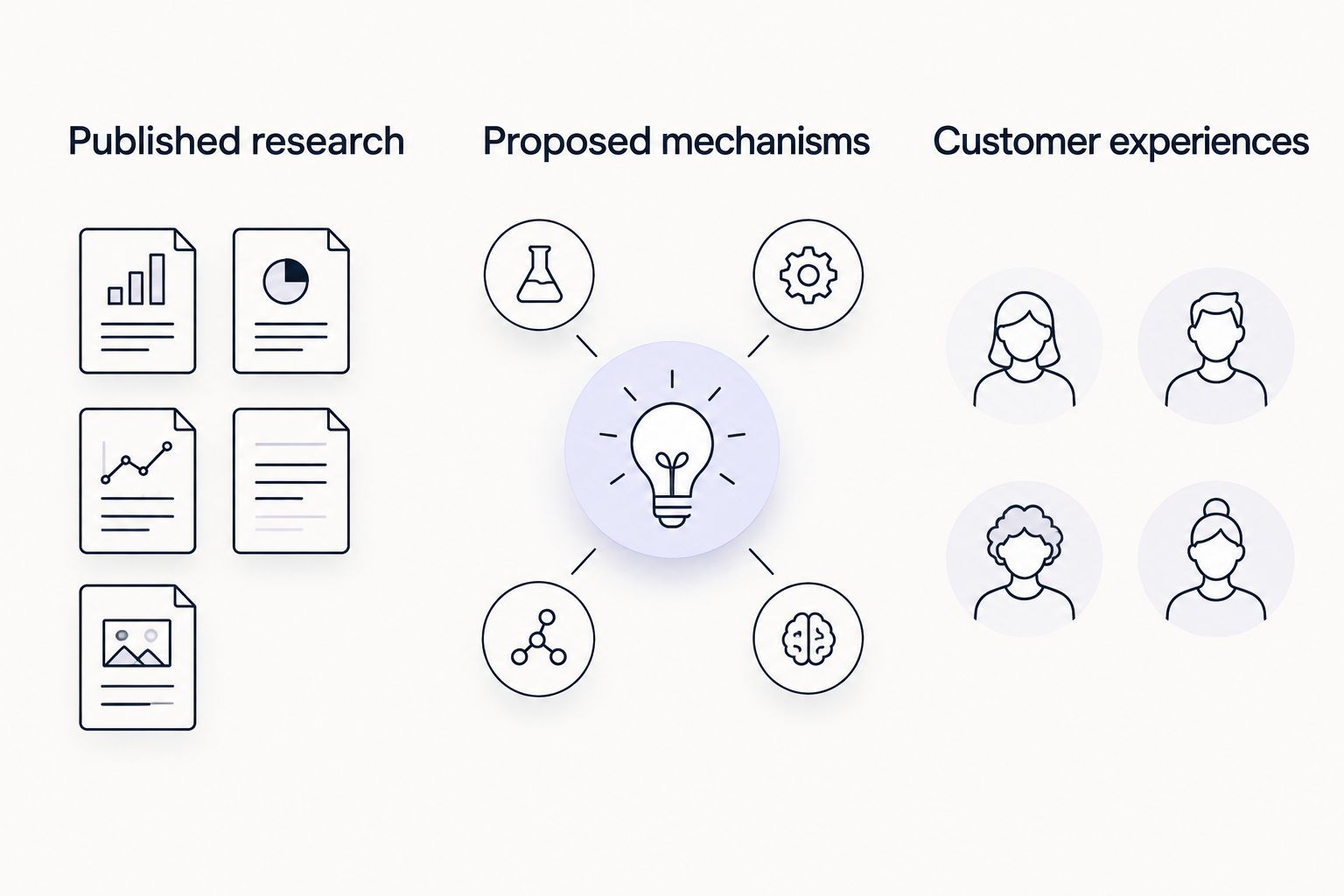
Keep three evidence categories separate
- Published research: A study supports only the questions its methods and results address. Check the actual device, exposure, participants, and measured outcome.
- Proposed mechanisms: An explanation of how something might work is a hypothesis or model, not proof that a purchased device delivers a benefit.
- Customer experiences: A person's account describes an individual experience. It does not establish causation or predict your result.
Biophotonics concerns light in biological systems. Terms such as ion cyclotron resonance or parasympathetic activation need the same discipline: ask whether the statement describes a theory, a measurement, or a product-specific finding.
Which healing frequency generator should you choose?
For 2026, choose Tesla BioLights S.E.A.D. System if your requirement is specifically combined noble-gas plasma and PEMF, subject to the product's instructions and your suitability review. Choose another category when you want a different physical output.
Before purchasing, write down your intended use and compare it with the exact product documentation. Confirm what comes with the device, how it is operated, and which purchase terms apply. Keep unanswered questions separate from assumptions.
A session or conversation with Doug can help you understand the offering and clarify practical details. Neither is mandatory. If your decision is already supported by the documentation, proceed through the website's purchase information.
Explore your device options
Review Tesla BioLights device and session information before choosing your next step.
FAQ
What's the best healing frequency generator for personal use?
The best fit depends on the physical output you want, not a universal healing ranking. Tesla BioLights S.E.A.D. System fits buyers specifically seeking combined noble-gas plasma and PEMF; dedicated PEMF, light-based devices, and audio generators serve different requirements.
Is a healing frequency generator the same as a PEMF device?
No. Healing frequency generator is a broad search label, while PEMF identifies pulsed electromagnetic fields. Check the actual output rather than assuming products with similar frequency language are equivalent.
Does photobiomodulation research prove that the S.E.A.D. System works?
No. Research on photobiomodulation or other devices does not establish demonstrated benefits for the S.E.A.D. System. Product-specific claims require relevant evidence for the exact system and use.
Do I need to experience a session before buying a device?
No, a session is optional decision support. Use it to explore the experience and ask practical questions, not as proof of clinical effectiveness.
Should I talk with Doug before purchasing?
Talking with Doug is optional. A conversation can help clarify product questions, but buyers do not have to speak with Doug before purchasing.
Can I compare the S.E.A.D. System with BioCharger or TLS?
A fair comparison requires verified documentation for the exact products. Confirm the exact TLS product identity first, then compare physical outputs, operating requirements, intended uses, and product-specific evidence without assuming equivalence.
Can I use a frequency device if I have an implanted medical device?
Ask your treating clinician and the implanted-device manufacturer before use. Review the frequency device's current warnings and instructions; a general buying guide cannot establish compatibility or individual suitability.
One last thing
A glowing tube, a magnetic pulse, and an audible tone can all be described with frequency language while delivering different physical exposures. That distinction matters more than the most memorable frequency number on a sales page.
Before your 2026 purchase, ask one final question: what exactly does this device deliver, and what evidence supports the claim being made about it? Keep the sense of wonder. Make the purchase on documented facts.