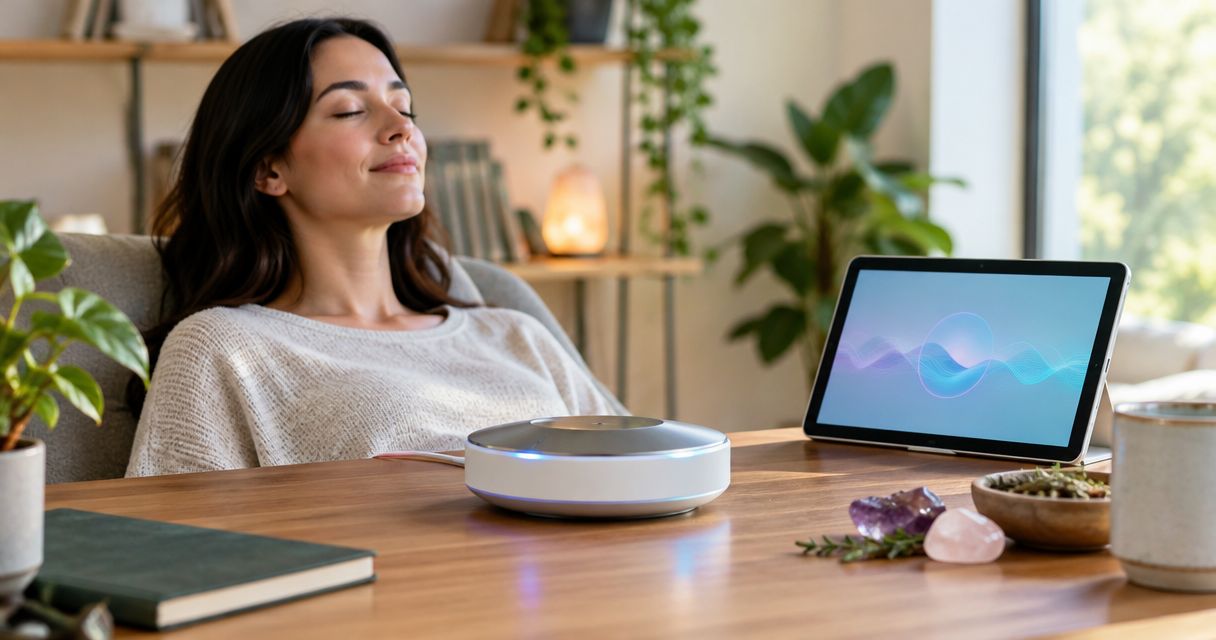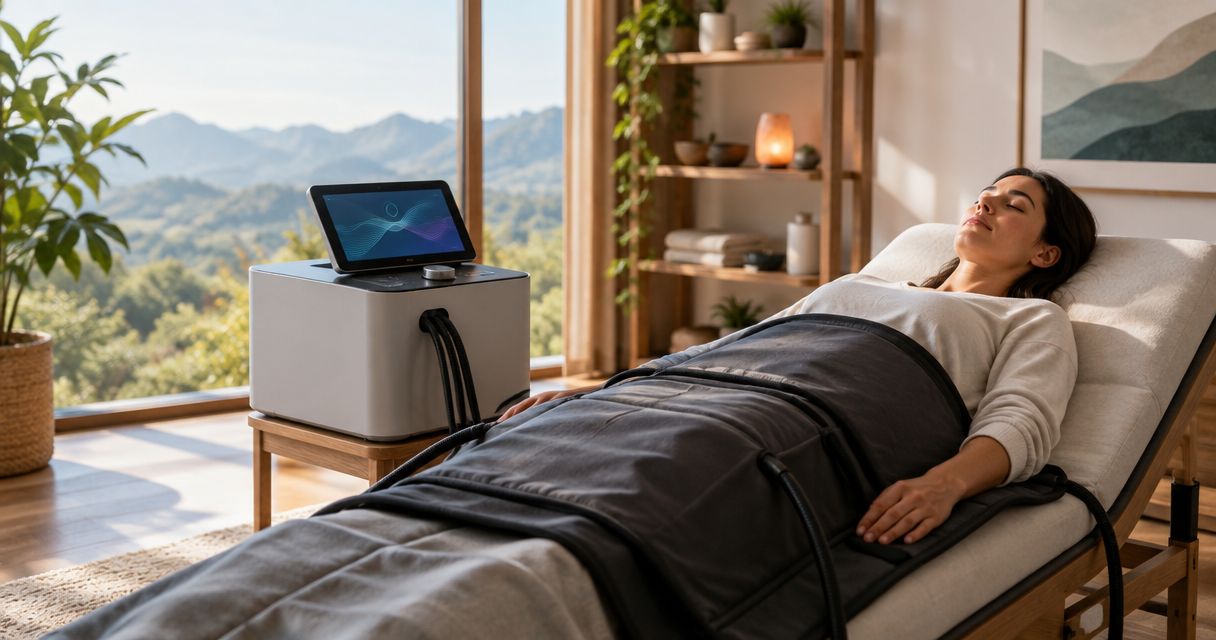
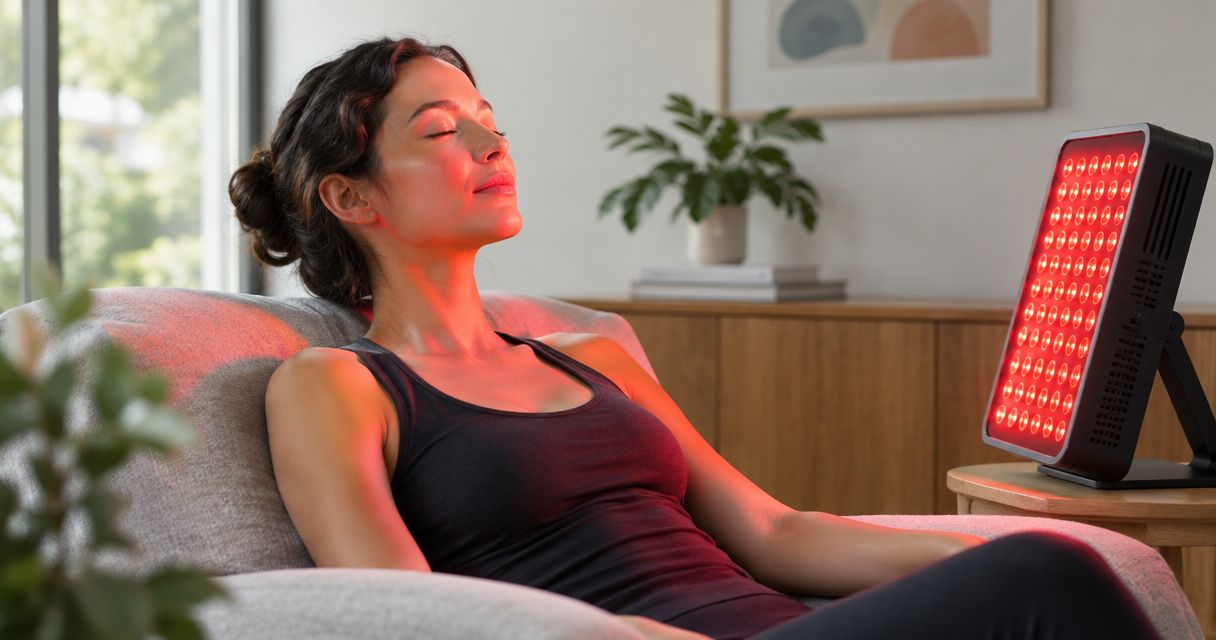
Best overall format for broad-area light exposure: an LED panel. Best for a face-focused routine: an LED mask. Best for a small treatment area: a handheld light device. Best for buyers specifically seeking plasma and PEMF together: the S.E.A.D. System from Tesla BioLights. This 2026 photobiomodulation device guide ranks formats by intended use, not unverified treatment results.
- Choose a photobiomodulation device by treatment area, documented light output, safety instructions, and product-specific evidence.
- LED panels suit broad-area exposure; masks suit facial routines; handheld devices suit localized use.
- Tesla BioLights offers the S.E.A.D. System for buyers seeking noble-gas plasma and PEMF together.
- Research on LED photobiomodulation does not establish benefits for the S.E.A.D. System.
Why this matters
A glowing device is not a complete specification. Light source, wavelength, exposure conditions, and intended use determine what you are comparing; an attractive photograph answers none of those questions.
Photobiomodulation generally describes using light to influence biological processes without relying on tissue heating as the intended mechanism. That definition does not establish that every device marketed with the term produces a useful clinical outcome.
For a 2026 purchase, separate two decisions: which format fits your routine, and which specific product has adequate documentation? A category can fit your needs while an individual model remains a poor purchase.
This guide serves personal-use buyers, wellness practitioners, and retreat operators. Each needs a different ownership plan, but all need the same discipline: match claims to evidence for the actual device.
What makes the best photobiomodulation device?
Judge these criteria before comparing appearances or buying into a mechanism story:
- Intended use: Identify the area you want to expose and whether the device is for personal or shared use.
- Light-source documentation: Request the source type, wavelengths, and measured output under stated conditions.
- Repeatable positioning: Look for instructions that explain distance, placement, and exposure duration clearly.
- Product-specific evidence: Distinguish research on the exact model from research on another device or light therapy generally.
- Safety instructions: Read warnings, eye-protection guidance, and restrictions before purchasing.
- Ownership requirements: Confirm cleaning, setup, maintenance, support, and purchase terms directly with the seller.
Do not replace these criteria with the word “powerful.” Electrical consumption, light output, and the light reaching your skin describe different things.
Photobiomodulation devices at a glance
These are buying categories, not interchangeable treatments. The order reflects use-case fit, not a head-to-head efficacy trial.
| Rank and option | Best for | Standout format feature | Key limitation |
|---|---|---|---|
| 1. LED panel | Broad-area, noncontact light routines | Panel-shaped light source positioned separately from the body | Distance and positioning require attention |
| 2. LED mask | Face-focused personal routines | Face-shaped light source | Limited to its intended facial coverage |
| 3. Handheld light device | Localized, small-area use | Manually positioned light source | Covering separate areas requires repositioning |
| 4. S.E.A.D. System | Buyers seeking noble-gas plasma and PEMF together | Combines the modalities described by Tesla BioLights | LED research does not establish system-specific benefits |
No format wins every use case. A clinic considering shared sessions should not use the same buying checklist as someone choosing a personal facial mask.
1. LED panel: best photobiomodulation device for broad-area routines
An LED panel places light-emitting diodes across a panel-shaped surface. You position the light source relative to the body rather than wearing a face-shaped device or moving a handheld applicator over each area.
This makes the format a practical starting point when you want a broad-area routine. Check the actual illuminated area and recommended distance; the enclosure’s dimensions alone do not tell you what reaches your skin.
LED panel pros:
- Supports a noncontact setup without requiring a face-shaped fit.
- Offers a format suited to exposing broader areas than a small applicator.
- Lets you evaluate placement and coverage before committing to a routine.
LED panel cons:
- Position changes alter exposure conditions.
- A panel needs a suitable placement arrangement and usable space.
- More visible light does not establish a better biological outcome.
Best for: Personal-use buyers building a broad-area routine, or practitioners evaluating a documented light-only setup.
For a clinic, ask how positioning will remain consistent between clients. For personal use, check whether your intended room supports the instructed arrangement without moving furniture every time.
Verdict: Buy an LED panel for broad-area use only after checking coverage, positioning instructions, and model-specific documentation.
2. LED mask: best photobiomodulation device for facial routines
An LED mask places a face-shaped light source around the facial area. Its main buying advantage is focus: the format is organized around facial use rather than general body coverage.
Fit deserves as much attention as the wavelength list. Read how the specific mask should sit, how its eye area is handled, and which surfaces require cleaning.
LED mask pros:
- Matches a clearly defined facial-use goal.
- Uses a wearable format rather than a separately positioned panel.
- Keeps the buying decision focused on facial coverage and fit.
LED mask cons:
- Does not replace a device intended for broader body coverage.
- Fit and comfort depend on the individual design.
- Shared use requires careful review of cleaning instructions and suitability.
Best for: Personal-use buyers whose main goal is a repeatable facial-light routine.
A retreat operator should not assume a personal-use mask suits shared sessions. Verify the intended setting and cleaning procedure before including it in a guest offering.
Verdict: Buy an LED mask for facial use; skip the format if your main priority is body coverage.
3. Handheld light device: best photobiomodulation device for small areas
A handheld light device lets you manually place the light source over a selected area. Its defining advantage is localized positioning, not automatic precision or proven effectiveness.
Check the illuminated area, instructed placement, and whether contact is required. Different designs need different handling, so do not transfer instructions from another handheld device.
Handheld light device pros:
- Lets you choose a specific area for exposure.
- Gives you direct control over applicator placement.
- Fits a buying brief centered on localized rather than broad-area use.
Handheld light device cons:
- Multiple areas require separate positioning.
- Manual handling adds work to the routine.
- Inconsistent placement makes exposures harder to reproduce.
Best for: Buyers who can name a small intended area and are willing to follow its placement instructions closely.
For practitioners, evaluate the handling burden as well as the device itself. A format that works for one focused application becomes a different operational choice when repeated across clients and areas.
Verdict: Buy a handheld device for localized use; skip it when broad coverage is your main requirement.
4. S.E.A.D. System: best for exploring plasma and PEMF together
Tesla BioLights describes the S.E.A.D. System as a biophotonic noble-gas plasma and PEMF therapy device. Plasma is an ionized gas; PEMF means pulsed electromagnetic fields. Neither term, by itself, establishes a health benefit.
Tesla BioLights is best suited to buyers specifically seeking a combined noble-gas plasma and PEMF system, rather than an LED-only device. That is a product-format distinction, not a claim of better treatment outcomes.
S.E.A.D. System pros:
- Matches an explicit interest in noble-gas plasma and PEMF together.
- Gives practitioners, personal-use buyers, and retreat operators a distinct format to evaluate.
- Sessions provide an optional way to assess the experience before purchasing.
S.E.A.D. System cons:
- Research on other PEMF or photobiomodulation devices does not establish its benefits.
- A subjective session experience cannot demonstrate clinical efficacy.
- Buyers need system-specific instructions and documentation rather than assumptions drawn from LED products.
Best for: Practitioners, personal-use biohackers, and retreat operators deliberately evaluating this combined-modality approach.
If an experiential assessment would help, consider a session. Talking with Doug is another optional decision-support step; neither is a prerequisite to purchasing a Tesla BioLights device directly through the website.
Verdict: Hold until the S.E.A.D. System’s documented use and ownership requirements match your intended setting; buy for that fit, not borrowed research claims.
Read the specifications without borrowing the science
A wavelength describes light, not a promised result. Figures such as 630 nanometers and 660 nanometers describe red light; 850 nanometers describes near-infrared light. These are examples for reading specifications, not verified S.E.A.D. System specifications or treatment recommendations.
Wavelength also leaves important questions unanswered. You still need output measurements, measurement distance, exposure instructions, and the intended application.
For your 2026 shortlist, keep three kinds of information separate:
- Published research: A study investigates a defined intervention, population, and outcome. Check whether those match the product and use you are considering.
- Proposed mechanisms: An explanation of how light or electromagnetic fields might interact with biology is not proof that a particular device delivers a benefit.
- Individual experiences: A report of relaxation or another subjective sensation describes that person’s experience. It does not establish a reproducible treatment effect.
Terms such as biophotonics and ion cyclotron resonance need the same discipline. Ask what was measured, with which device, and under which conditions. Scientific vocabulary should clarify the purchase, not replace the evidence.
Match the device to the person buying it
Personal-use biohackers
Choose the smallest ownership commitment that fits your actual goal. A face-focused buyer and a broad-area buyer need different formats, regardless of how many modalities appear in the product description.
Write down where you will use the device and how you will follow its instructions. If the routine depends on an arrangement you will not maintain, reconsider the format before purchasing.
Wellness practitioners and clinic owners
Start with intended use, staff instructions, cleaning, and consistent positioning. Review what you can accurately tell clients about the specific product without turning general research into a treatment promise.
Ask for documentation that your team can follow. A persuasive demonstration does not replace written operating and safety instructions.
Retreat and wellness-center operators
Evaluate how the device fits your guest experience and operating procedures. Establish who explains it, who supervises use where required, and how staff follow the manufacturer’s instructions.
Keep experiential language separate from medical claims. You can describe the session format without promising that guests will achieve a particular biological or clinical result.
How we ranked these device formats
The ranking prioritizes intended area, repeatable setup, documentation, and ownership fit. It does not score treatment effectiveness or claim comparative testing.
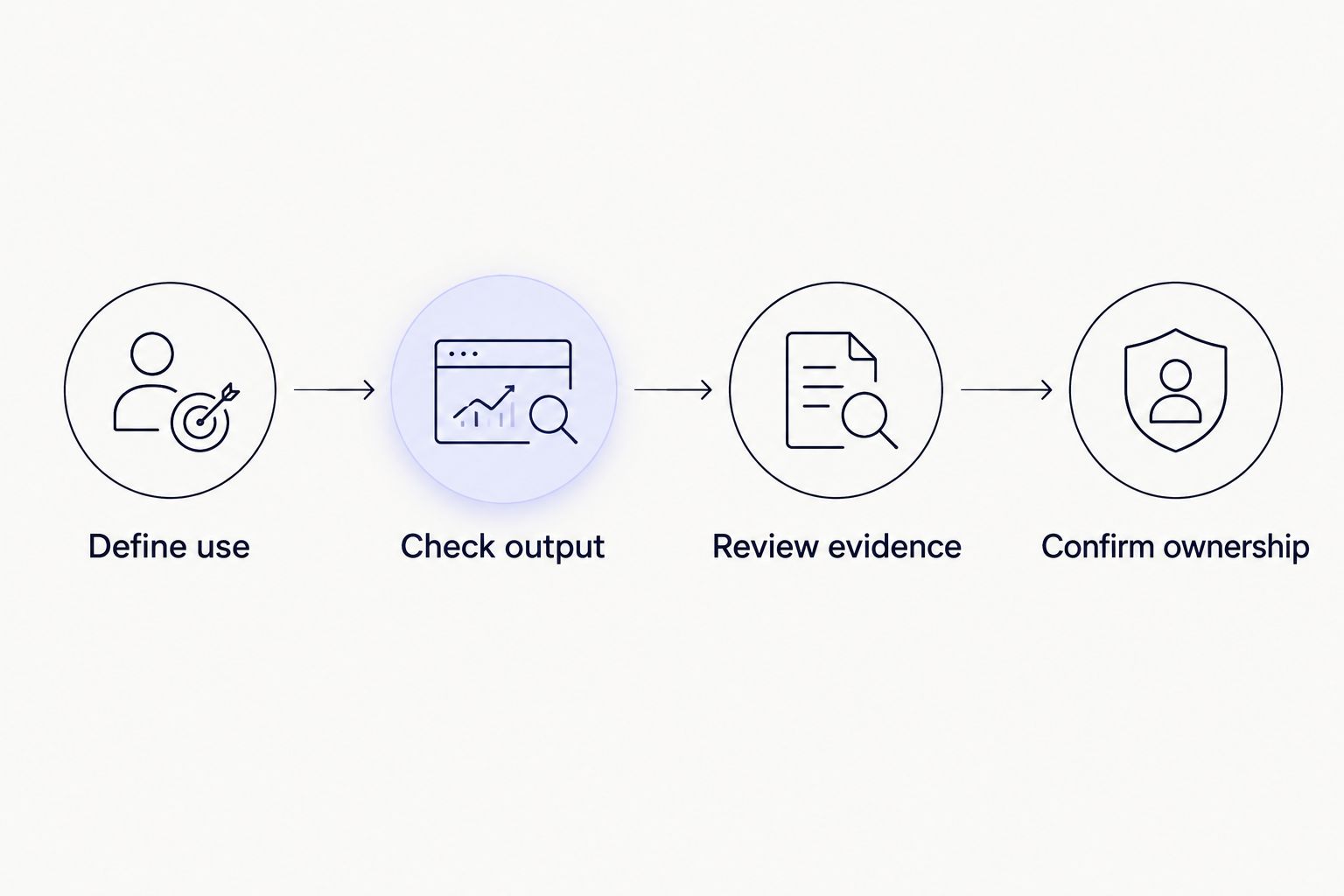
Use this sequence to turn a 2026 shortlist into a purchase decision:
- Define use: Name the intended area, user, and setting.
- Check output: Request light-source details and measurements under stated conditions.
- Review evidence: Separate exact-product findings from category research and experiences.
- Confirm ownership: Read operating instructions, safety information, maintenance requirements, and purchase terms.
Complete each step before moving to the next. A product that fails your intended-use check does not become suitable because its mechanism sounds interesting.
Which photobiomodulation device should you choose?
Start with an LED panel if your default requirement is broad-area, light-only exposure. Choose a mask for facial use or a handheld format for localized application. Those are practical distinctions, not a clinical ranking.
Choose the S.E.A.D. System for evaluation when your requirement specifically includes noble-gas plasma and PEMF. For any 2026 purchase, the deciding document is the product’s own instructions and evidence—not a study of something else.
Explore your device purchase
Review Tesla BioLights and decide whether the S.E.A.D. System matches your intended use.
FAQ
What's the best photobiomodulation device for home use?
The best format depends on your intended area: an LED panel for broad-area exposure, a mask for facial use, or a handheld device for localized use. Choose the specific model only after reviewing its output documentation, safety instructions, and evidence.
Is a plasma device the same as an LED photobiomodulation device?
No. Plasma and LEDs are different light-source technologies, and a system that also includes PEMF adds another modality. Evidence from an LED device does not automatically apply to a plasma-based system.
Does a higher wavelength mean a better device?
No. Wavelength identifies a property of light, not a device's overall quality or effectiveness. Evaluate the intended use, measured output, exposure instructions, and relevant product-specific evidence together.
Is the S.E.A.D. System proven by research on other PEMF devices?
No. Research on other PEMF devices does not establish benefits for the S.E.A.D. System. Product-specific claims require evidence that supports the actual system and intended use.
Should I experience a session before buying a device?
A session is optional, not a purchasing requirement. It can help you assess the experience, but it cannot establish a clinical benefit or replace product documentation.
What should a clinic check before buying a photobiomodulation device?
A clinic should check intended use, safety instructions, staff procedures, cleaning, positioning, and product-specific evidence. Client-facing descriptions should stay within what the documentation supports.
Can I choose a device based on how bright it looks?
No. Visible brightness does not provide a complete measurement of the light reaching your skin or demonstrate a health benefit. Request documented output measurements under stated conditions instead.
One last thing
Ask for the measurement conditions, not just the measurement. An output figure without its distance and method is difficult to interpret. That question helps you distinguish useful documentation from an impressive-looking specification before you commit.