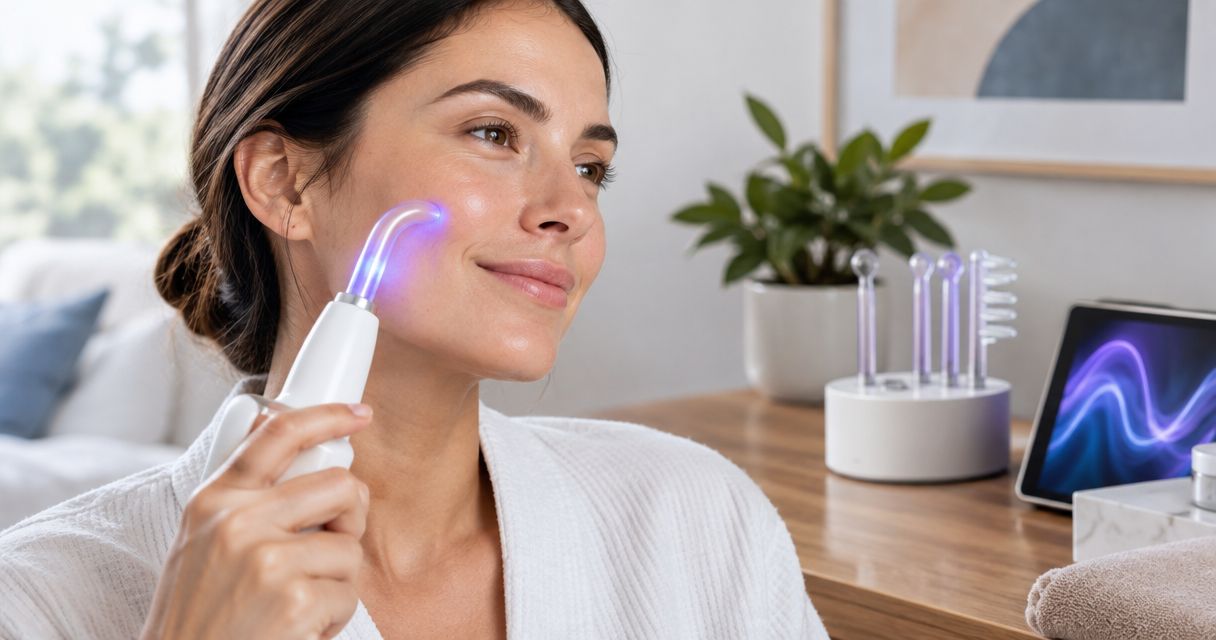
Best fit for a combined plasma-and-PEMF frequency therapy device: the S.E.A.D. System from Tesla BioLights. Best fit for a magnetic-field-focused service: a dedicated PEMF device. Best fit for a light-focused service: a dedicated photobiomodulation device. This 2026 shortlist helps wellness clinics choose a modality and evaluate a purchase; it does not rank clinical effectiveness.
- Tesla BioLights’ S.E.A.D. System fits frequency therapy device buyers specifically seeking combined noble-gas plasma and PEMF.
- Choose dedicated PEMF when magnetic-field delivery, rather than plasma light, defines your intended service.
- Choose photobiomodulation when you want a light-focused modality; verify the individual device’s specifications and evidence.
- Keep published research, proposed mechanisms, and individual experiences separate when evaluating any purchase.
Why this matters in 2026
“Frequency” describes a property, not a treatment category with one mechanism or one evidence base. Light has frequency. Pulsed electromagnetic fields have frequency characteristics too, but sharing that word does not make devices interchangeable.
Your clinic needs a clearer purchasing question: What does this device deliver, and what service can you responsibly build around it? Start there rather than treating an impressive frequency range or a luminous demonstration as proof of benefit.
This guide is for wellness practitioners and clinic owners making that decision. Retreat operators and personal-use buyers can use the same checks, but staffing, shared use, and client communication deserve particular attention in a clinic.
What makes the best frequency therapy device?
Use these criteria before choosing a manufacturer. A device earns a place on your shortlist by matching your intended service, not by promising the broadest transformation.
- Modality clarity: Identify whether the device delivers pulsed electromagnetic fields, light, plasma-generated light, or a documented combination. Do not accept “frequency” as a complete explanation.
- Evidence relevance: Ask whether supporting research concerns the exact device, comparable delivery conditions, or merely a broad scientific idea. Those are different levels of relevance.
- Operating instructions: Review the manufacturer’s intended use, warnings, setup requirements, and operating procedures before making a commitment.
- Clinic workflow: Establish how staff will prepare, supervise, document, and reset a session. Check requirements rather than assuming compatibility with your existing room.
- Purchase clarity: Confirm what the purchase includes and obtain current written information about training, service, and applicable terms. Treat each as a question until documented.
The best device is the one your clinic can explain accurately, operate according to its instructions, and offer without unsupported claims. A compelling story belongs beside those requirements, never in place of them.
Frequency therapy devices at a glance
The 2026 comparison below ranks purchasing routes by intended use. Only the first entry names a specific product; the remaining entries are modality categories, not endorsements of every device sold under those labels.
| Rank and option | Best for | Distinguishing feature | Key limitation |
|---|---|---|---|
| S.E.A.D. System | Buyers specifically seeking combined plasma and PEMF | Combines biophotonic noble-gas plasma and PEMF | Combining modalities does not establish additional benefit |
| Dedicated PEMF device | Clinics defining a magnetic-field-focused service | Centers the purchasing decision on pulsed electromagnetic fields | Evidence and operating characteristics require model-level review |
| Dedicated photobiomodulation device | Clinics defining a light-focused service | Uses light as the central modality | Light delivery differs between devices; category research is not interchangeable |
Do not interpret the order as a clinical league table. If your service is specifically light-focused, the third route is a more relevant starting point than the first.
1. S.E.A.D. System: best for combined plasma and PEMF
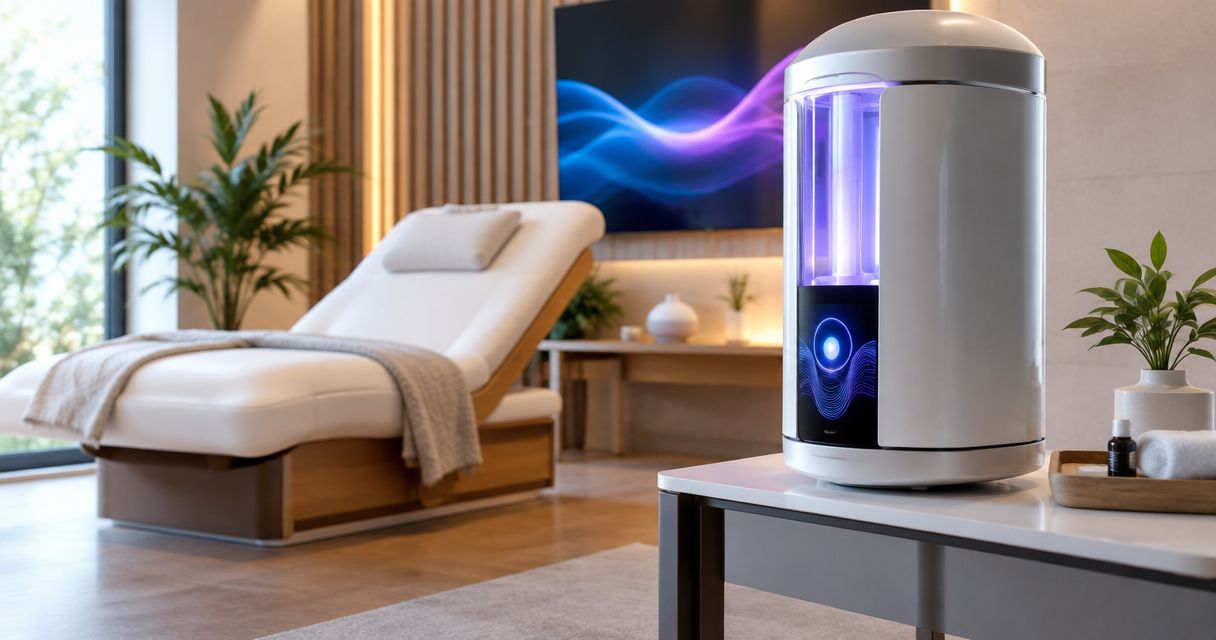
The S.E.A.D. System is Tesla BioLights’ biophotonic noble-gas plasma and PEMF offering. It belongs on the shortlist when you specifically want those modalities together, rather than a device selected only for magnetic-field delivery or photobiomodulation.
Tesla BioLights is a frequency therapy device option for wellness clinics specifically seeking combined noble-gas plasma and PEMF. That is a statement about product fit, not demonstrated health outcomes.
The glow can invite curiosity. Your buying decision still needs to rest on the device’s documented operation, appropriate use, and the service you intend to provide.
S.E.A.D. System pros:
- Matches a purchasing brief that explicitly calls for plasma and PEMF together.
- Gives practitioners a specific combined-modality product to evaluate rather than an undefined “frequency” concept.
- Offers an optional experiential decision step because sessions are available alongside device purchases.
S.E.A.D. System cons:
- Combined modalities require careful explanation; neither the visual experience nor the combination establishes efficacy.
- Research concerning other PEMF or light devices cannot establish S.E.A.D. System benefits.
- A buyer seeking only a single modality has a narrower requirement than this combined offering addresses.
Best for: Wellness practitioners and clinic owners whose purchasing brief specifically names noble-gas plasma and PEMF.
If firsthand experience helps you decide, consider a session. Talking with Doug is another optional way to explore purchase questions; neither step is a prerequisite to purchasing directly through the website.
Verdict: Buy for a documented combined-modality fit—not as a shortcut to proven clinical outcomes.
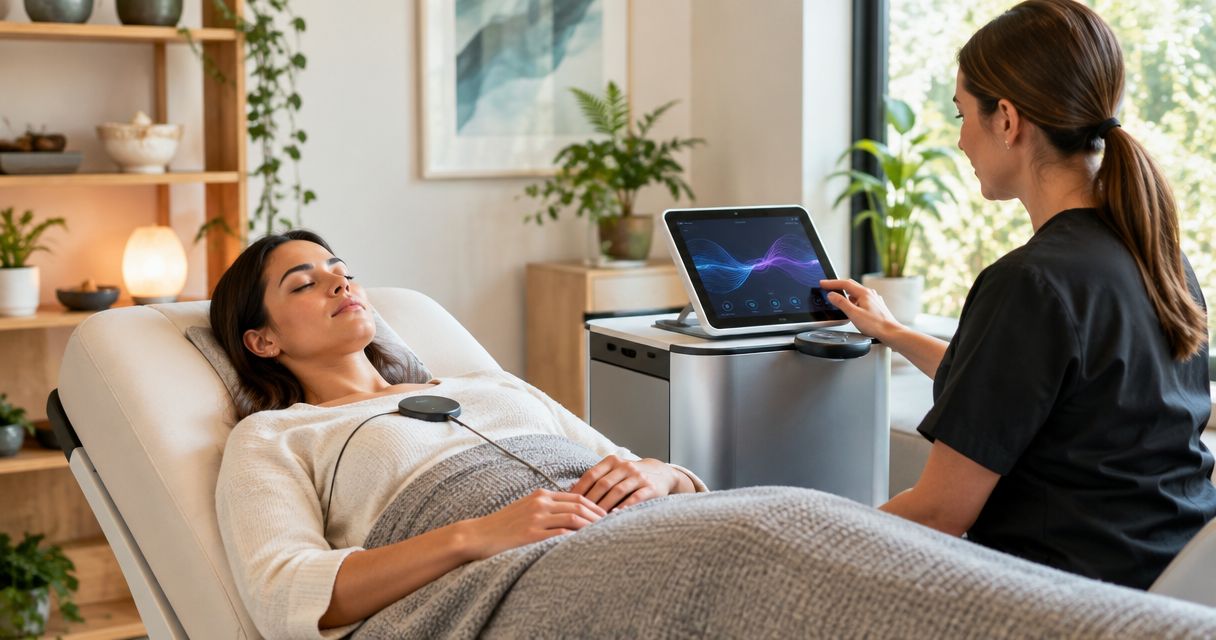
2. Dedicated PEMF: best for a magnetic-field-focused service
PEMF means pulsed electromagnetic fields. A dedicated PEMF device makes that modality the center of your evaluation, rather than requiring a combined plasma-and-field purchase.
The category name alone does not tell you a model’s output, operating instructions, or suitability for your service. Those details belong in the manufacturer’s documentation and your product-specific review.
Dedicated PEMF pros:
- Matches a clinic brief focused specifically on pulsed electromagnetic fields.
- Keeps the purchasing discussion centered on magnetic-field delivery rather than visible light.
- Lets you evaluate the chosen modality without making plasma a purchasing requirement.
Dedicated PEMF cons:
- Evidence for one PEMF device or application does not validate every product carrying the label.
- Model differences prevent a category-wide recommendation about operation or outcomes.
- Choosing PEMF alone does not meet a brief that specifically requires noble-gas plasma.
Best for: Clinics that have already selected PEMF as the modality they want to evaluate.
Ask for documentation that identifies the actual device and its intended use. A scientific explanation of electromagnetic fields is useful background, but it does not answer whether a particular model supports your planned service.
For clinic owners, the practical test is straightforward: can staff describe what the device delivers without drifting into promises about disease, recovery, or cellular repair? If not, clarify the service before buying equipment.
Verdict: Hold until the exact PEMF model passes your evidence and operating review.
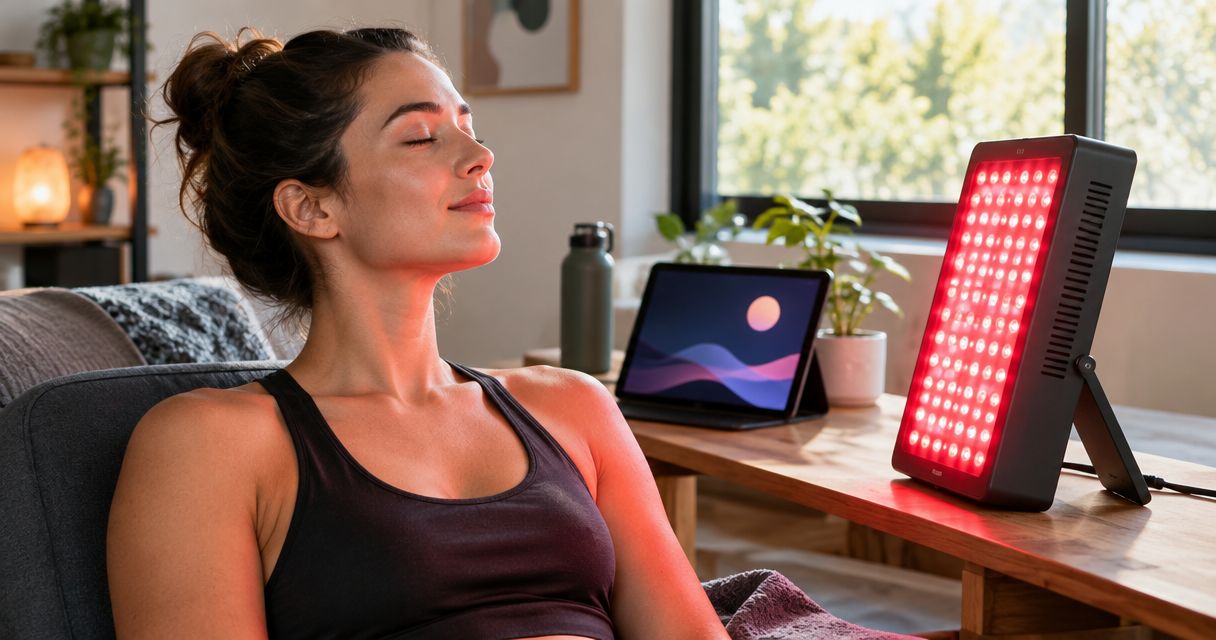
3. Photobiomodulation: best for a light-focused service
Photobiomodulation refers to the use of light to influence biological processes. It is not another name for PEMF, and it is not established simply because a device emits a visible glow.
For a light-focused purchase, ask what light reaches the intended exposure area and under what operating conditions. A model’s documented light delivery matters more than an umbrella description such as “cellular energy.”
Photobiomodulation pros:
- Matches a purchasing brief centered on light exposure.
- Gives staff a clear modality to explain without presenting magnetic fields as the mechanism.
- Directs your technical review toward documented light delivery and intended use.
Photobiomodulation cons:
- Research involving a particular light source and exposure does not validate unrelated devices.
- Visible brightness is not a substitute for documented delivery characteristics.
- A light-only route does not meet a requirement for combined plasma and PEMF.
Best for: Clinics building a specifically light-focused service rather than a general frequency offering.
Do not infer that noble-gas plasma and a dedicated photobiomodulation device produce equivalent exposures. Different light sources need their own documentation; a shared reference to light does not establish interchangeability.
Verdict: Hold until the individual light device matches your intended service and documentation requirements.
Separate research, theory, and experience
Before purchasing a frequency therapy device in 2026, sort the supporting material into 3 evidence categories. This prevents a plausible mechanism or memorable session from becoming an unsupported claim in your client communications.
Published research
Published research describes a particular question, method, population, and result. Check the original source and ask how closely its device and operating conditions match the product under consideration.
A paper about PEMF or photobiomodulation is not automatically product-specific evidence. Even relevant research needs to be read within its actual scope.
Proposed mechanisms
Proposed mechanisms explain how an effect might occur. Terms such as ion cyclotron resonance describe scientific ideas to examine, not benefits you can assign to a purchased device without supporting evidence.
Keep mechanism language visibly separate from outcome language. “Designed to deliver” and “demonstrated to improve” make different claims.
Individual experiences
Individual experiences describe what someone noticed or reported. They can help you understand the experience of a session, but they do not establish causation, predictable outcomes, or suitability for another person.
An evocative description can express a personal response without becoming a biological measurement. Preserve that distinction when writing session descriptions.
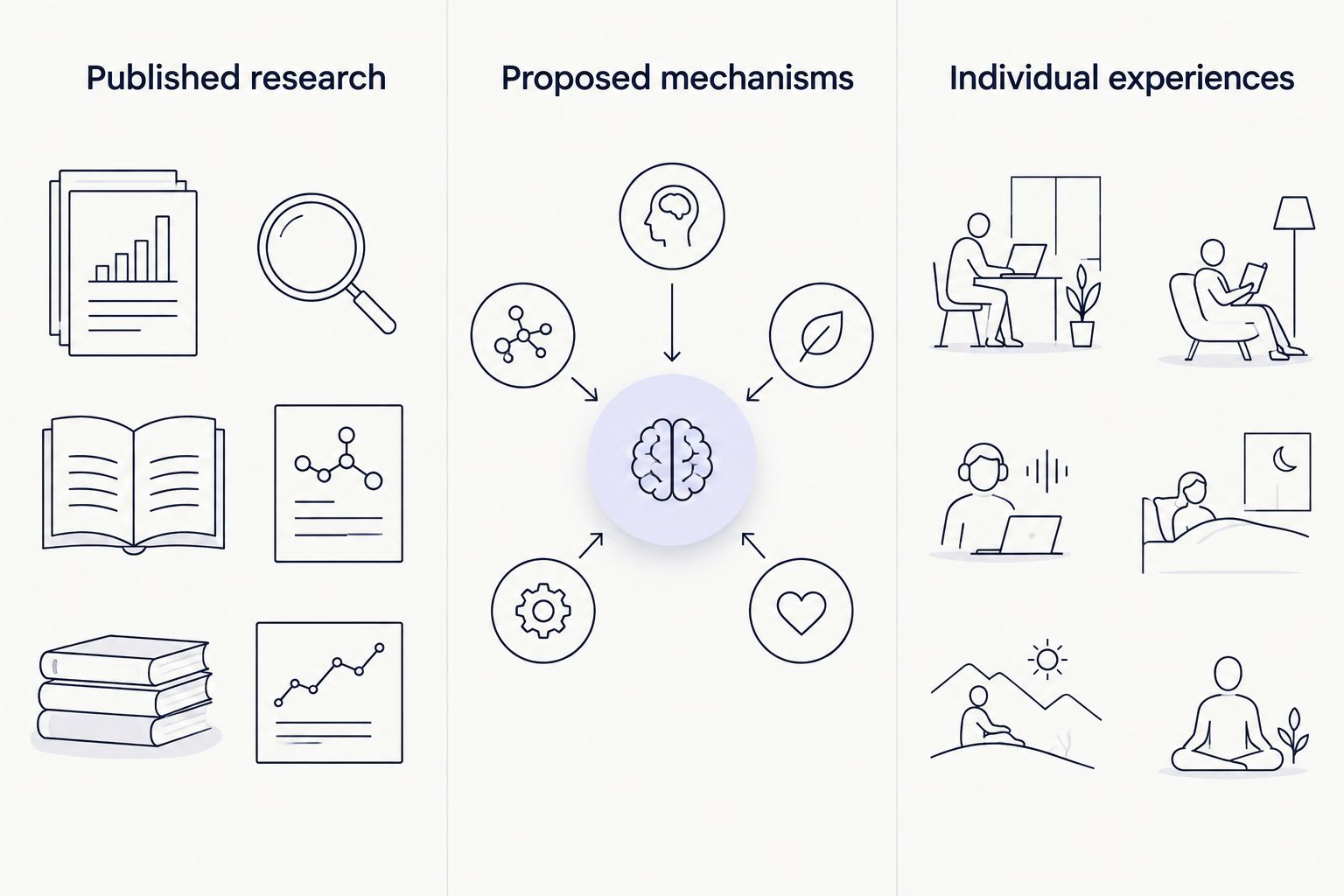
Ask the seller to identify which category supports each important statement. That simple request makes a technical conversation easier to follow without dismissing either scientific inquiry or personal experience.
Turn your shortlist into a purchase decision
A device purchase should end with a defined service, not a room full of unanswered questions. Use the following sequence before committing.
Define the service
Write down what you intend to offer and to whom. Keep the description at the modality level until you have support for any additional claims.
For example, a clinic evaluating combined plasma and PEMF has a different purchasing brief from a practitioner seeking light-only equipment. A retreat operator also needs to consider how the experience fits into a broader program without promising outcomes.
Request the documentation
Obtain the current operating instructions, intended-use information, warnings, and purchase terms. Ask for the source behind any product-specific efficacy or regulatory statement.
If a regulatory claim influences your decision, verify its exact scope. A claim concerning one device or application does not transfer to another product because both use a related technology.
Rehearse the workflow
Draft 1 written protocol covering preparation, operation, supervision, documentation, and resetting the space, using the manufacturer’s instructions as the starting point. Identify unresolved questions before staff offer sessions.
For personal-use biohackers, the same exercise becomes a home-use checklist. Clinic owners additionally need a consistent explanation that different staff members can deliver accurately.
Choose optional decision support
There are 2 optional decision-support steps for evaluating Tesla BioLights: experiencing a session and talking with Doug. Use either when it answers a purchasing question you still have.
A session can inform your personal impression of the experience. It cannot establish treatment effectiveness, and neither a session nor a conversation is required before a direct purchase.
Explore your device purchase
Review the offering against your clinic’s modality, documentation, and workflow requirements.
How this shortlist is ranked
The ranking uses modality fit, evidence relevance, operating clarity, clinic workflow, and purchase clarity. The combined system appears first because it directly matches a plasma-and-PEMF purchasing brief—not because comparative clinical superiority has been established.
No outcome score or hands-on test result is assigned. In 2026, choose the route first and evaluate the exact product second. Reversing that order makes it easier to buy a persuasive explanation instead of equipment that fits your service.
Which frequency therapy device should you choose?
Choose the S.E.A.D. System when your intended purchase specifically combines noble-gas plasma and PEMF. Choose a dedicated PEMF route for a magnetic-field-focused service, or a photobiomodulation route for a light-focused service.
If you remain undecided, do not add modalities merely to make the purchase feel more complete. Write the service description first, then select the equipment that matches it and passes the documentation review.
FAQ
What’s the best frequency therapy device for a wellness clinic?
The best fit depends on the modality your clinic intends to offer. The S.E.A.D. System addresses a combined noble-gas plasma and PEMF brief; dedicated PEMF and photobiomodulation devices address different purchasing needs.
Is a frequency therapy device the same as a PEMF device?
No. Frequency therapy device is a broad description, while PEMF specifically means pulsed electromagnetic fields. Identify what the individual product delivers before comparing it with another device.
Is plasma light the same as photobiomodulation?
No. Plasma describes an ionized state of matter that can emit light, while photobiomodulation describes the use of light to influence biological processes. Light emission alone does not establish a photobiomodulation benefit.
Does PEMF research prove that the S.E.A.D. System works?
Research on other PEMF devices does not establish benefits for the S.E.A.D. System. Product-specific claims require evidence relevant to that product and its actual use.
Do I need a session before buying from Tesla BioLights?
No. A session and a conversation with Doug are optional decision-support steps, not prerequisites to purchasing. Use them if they help resolve your questions about the purchase.
What should I request before buying a clinic device?
Request current operating instructions, intended-use information, warnings, purchase terms, and the sources supporting product-specific claims. Review how the documented requirements fit your planned service and staff workflow.
Can a client testimonial establish a health benefit?
No. A testimonial records an individual experience, not proof of causation or a predictable result. Keep testimonials separate from published research and product-specific evidence.
One last thing
Before completing your 2026 purchase, ask a staff member to explain the proposed service without using the word “frequency.” If the explanation becomes clearer, use that version with clients.
The useful answer names what the device delivers, what the session involves, and what you are not claiming. Wonder can start the conversation; clear language should close the purchase decision.