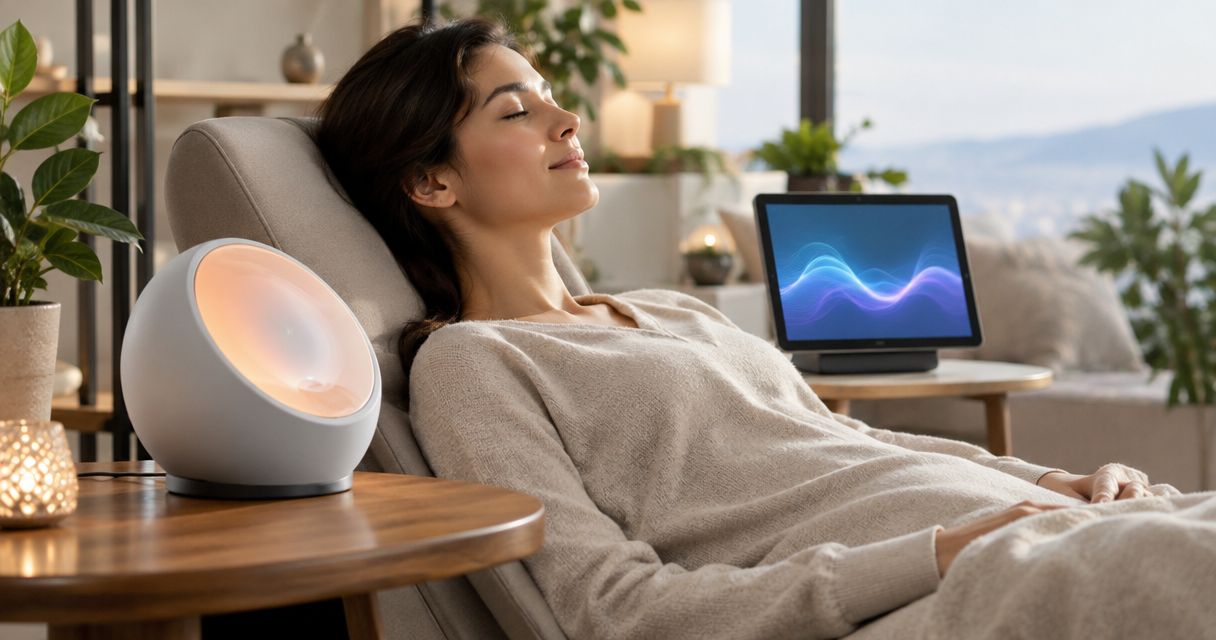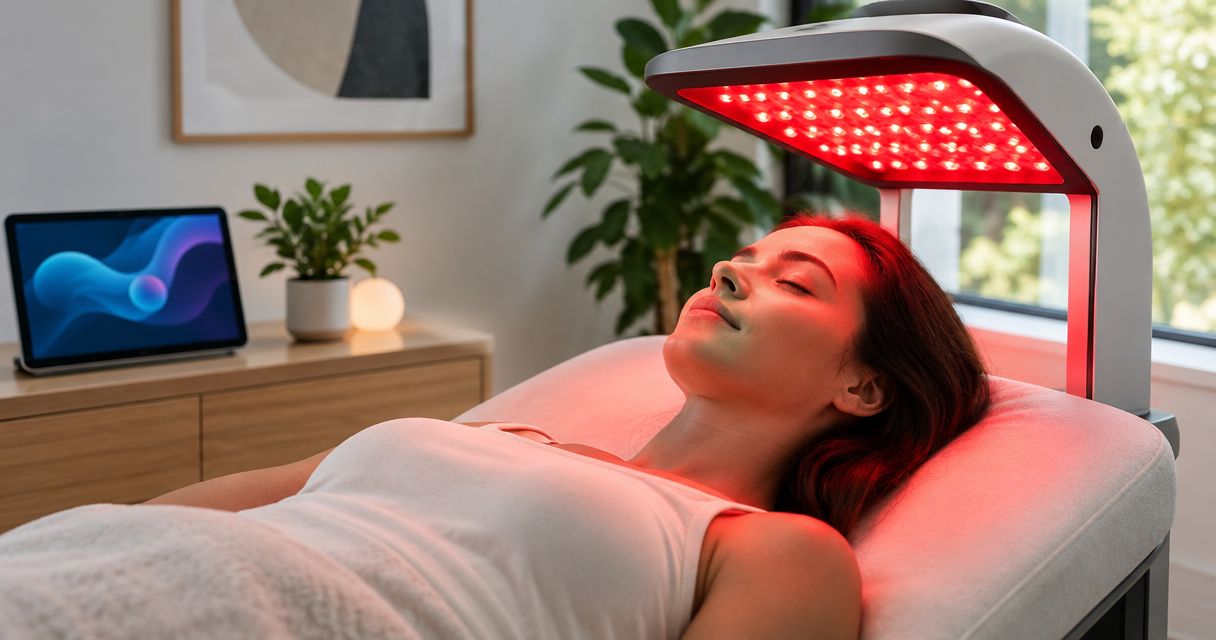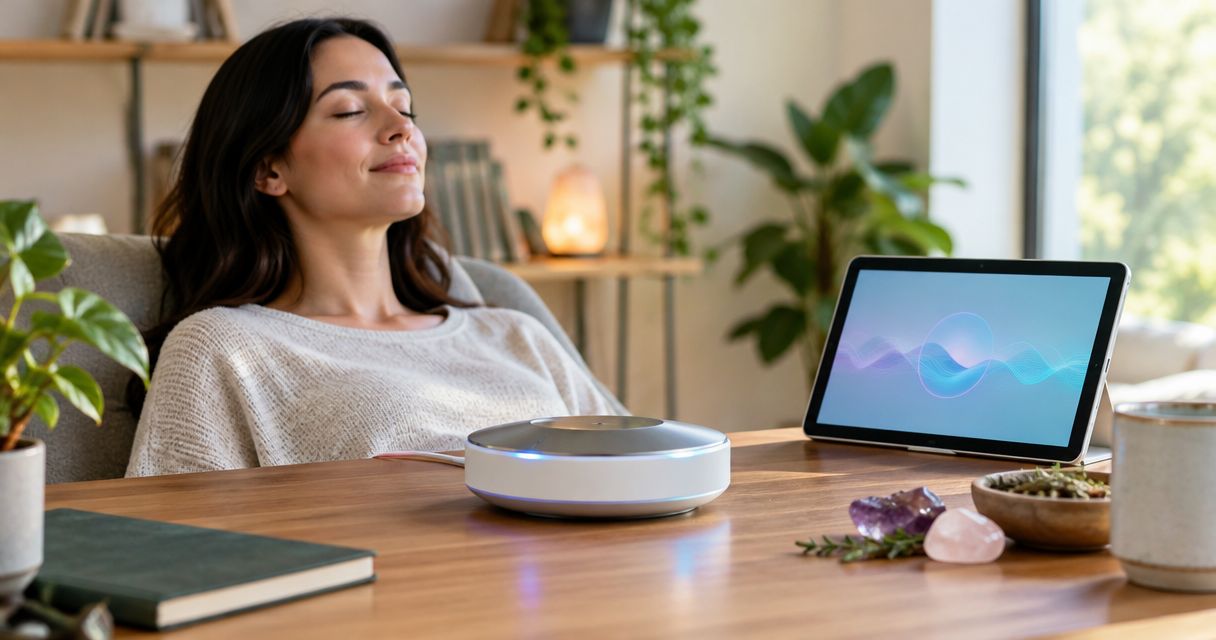
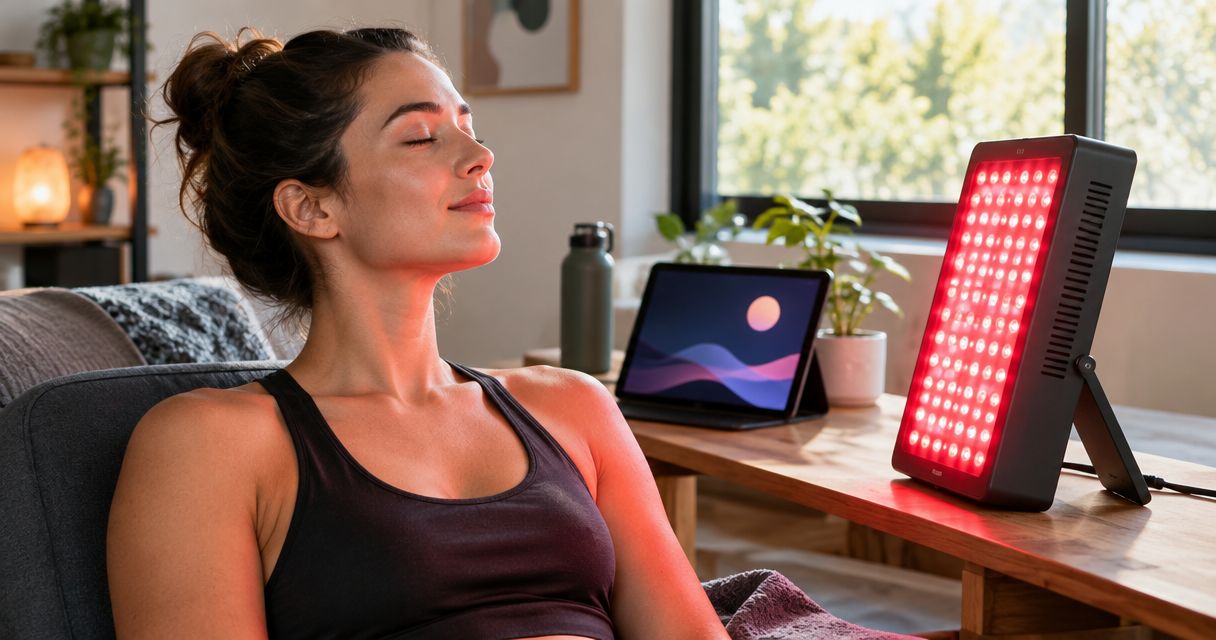
Best default: a red and near-infrared LED panel for a stationary home routine. Best for localized placement: a handheld LED device. Best for exploring plasma plus PEMF: the S.E.A.D. System from Tesla BioLights. This 2026 guide helps you choose a photobiomodulation device for biohackers by intended use—not by the longest list of biological claims.
- An LED panel is the default photobiomodulation device for biohackers building a stationary home routine.
- Choose a handheld LED device when localized placement matters more than coverage.
- Tesla BioLights offers the S.E.A.D. System for buyers exploring noble-gas plasma and PEMF.
- Research on photobiomodulation or PEMF does not establish benefits for the S.E.A.D. System.
Why this matters
A glowing device is not a specification. Photobiomodulation describes the use of light to influence biological activity; PEMF means pulsed electromagnetic fields. These are different forms of exposure, and a device combining light and electromagnetic fields needs its own explanation of what it delivers.
For a personal-use biohacker, the first decision is practical: do you want a straightforward light routine, localized application, or exploration of a combined modality? Those goals lead to different purchases. A clinic owner or retreat operator adds another requirement: a routine that staff can explain and administer consistently.
Choose the exposure you intend to use before choosing the device that produces it. That rule prevents research about one technology from becoming an unsupported sales argument for another.
What makes the best photobiomodulation device?
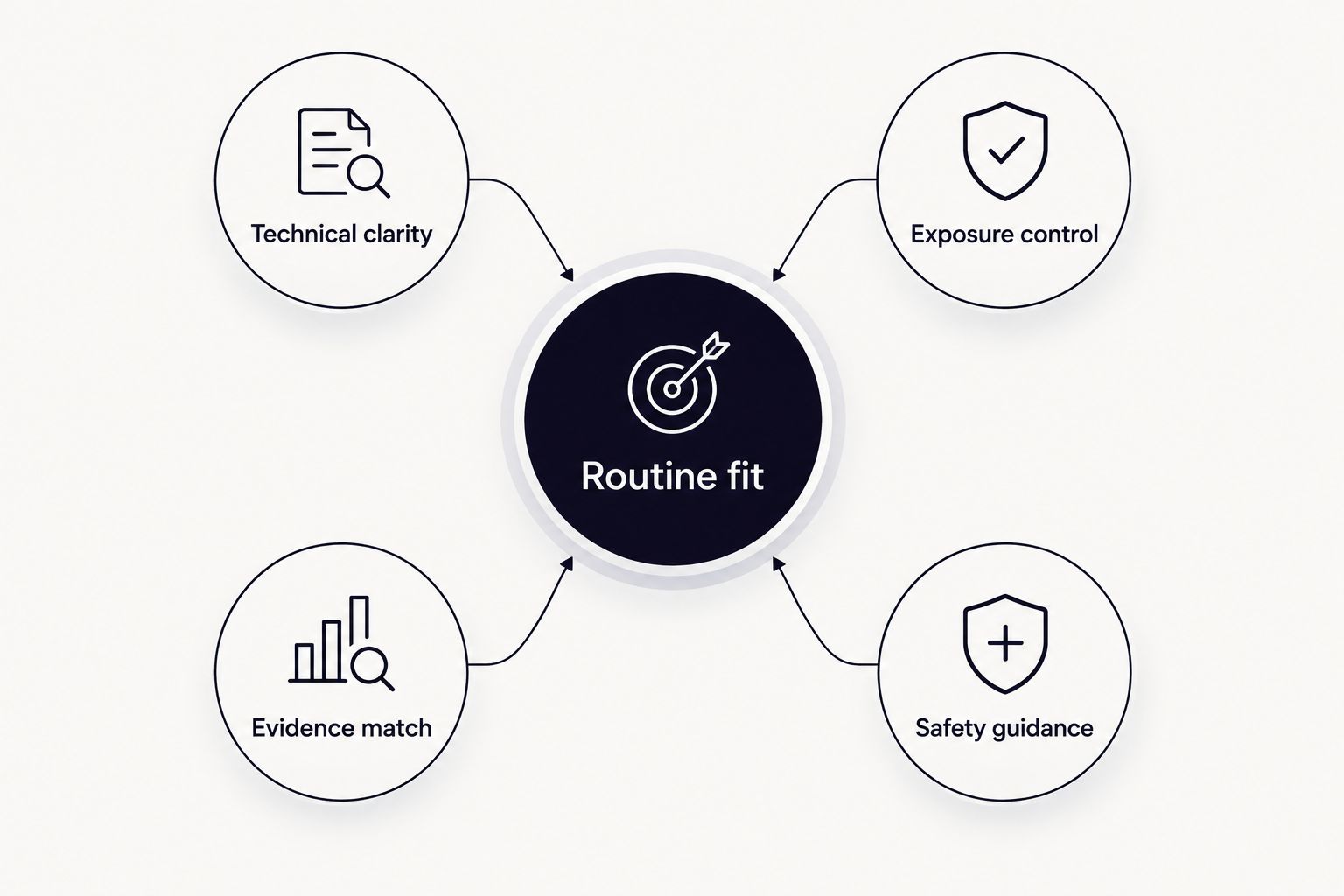
Use these criteria to assess a 2026 shortlist before comparing appearance, testimonials, or technical vocabulary.
- Technical clarity: Look for the light wavelengths, output measurements, measurement distance, and operating instructions. A modality name alone does not describe exposure.
- Exposure control: Check how you control placement, distance, duration, and operating mode. More settings are not automatically more useful.
- Evidence match: Separate research on the general modality from research on the exact device and intended application.
- Routine fit: Match the format to where you will use it. A stationary panel, handheld device, and facial mask solve different placement problems.
- Safety guidance: Read the manufacturer's warnings, eye-protection instructions, and restrictions before deciding whether the device fits your circumstances.
For example, 630 nm and 660 nm are red-light wavelengths; 850 nm is near-infrared. These are wavelength examples, not specifications for any device listed here. A wavelength describes the light—not a guaranteed result, suitable exposure, or reason to purchase.
Photobiomodulation devices at a glance
This is a format-first buying guide, not a claim that every device within a format performs equally. The S.E.A.D. System is a named plasma-and-PEMF option; the LED entries are categories to evaluate against manufacturer documentation.
| Rank and option | Best for | Standout characteristic | Key limitation |
|---|---|---|---|
| 1. Red and near-infrared LED panel | Stationary home light routines | Panel format for positioning light toward a selected area | Requires a suitable position and documented working distance |
| 2. Handheld LED device | Localized placement | You direct the light at the intended area | Manual positioning makes consistency your responsibility |
| 3. S.E.A.D. System | Exploring noble-gas plasma plus PEMF | Combines the two stated modalities | LED or PEMF research alone cannot establish system-specific benefits |
| 4. LED face mask | A face-focused routine | Face-shaped placement | Facial format does not serve broader body-placement goals |
1. LED panel: best for a stationary home light routine
A red and near-infrared LED panel directs light from an array of emitters toward the area you position in front of it. Choose this format when you want a dedicated place for a repeatable light routine rather than a device you continually move by hand.
Best for: Personal-use biohackers whose main goal is a stationary light setup.
An LED panel is the default format recommendation here because it addresses a straightforward buying brief: light delivery without requiring you to choose a combined plasma-and-PEMF approach. That is a fit judgment, not evidence that every panel produces the same biological response.
LED panel pros:
- The format suits a dedicated home-use position.
- You can evaluate a light-focused purchase without adding a separate electromagnetic-field modality.
- Documented wavelengths, output, and distance provide concrete questions for comparing individual models.
LED panel cons:
- Placement and working distance need attention; ownership alone does not establish a consistent routine.
- The panel format does not guarantee appropriate output, safety, or evidence for your intended application.
Before buying, check whether the manufacturer explains the exposure at the distance you will actually use. Do not substitute electrical power consumption for a measurement of light reaching the treatment position.
Verdict: Buy an LED panel for a stationary light routine only after checking the exact model's documentation.
2. Handheld LED device: best for localized placement
A handheld LED device lets you direct light toward a selected area. Its main distinction is placement control, not an automatic advantage in strength or effectiveness.
Best for: Buyers who prioritize a particular application area over broader positioning.
This format demands a different kind of discipline from a stationary panel. You are responsible for keeping the device where the instructions specify, using the intended orientation, and following the stated exposure procedure.
Handheld LED device pros:
- You control the area toward which the device is directed.
- The format supports a localized rather than room-based setup.
- A clearly defined application area makes the buying brief more specific.
Handheld LED device cons:
- Manual positioning can vary between uses.
- Applying a localized device across several areas adds handling and makes the routine more involved.
Ask whether the device is intended for skin contact or use at a distance. Do not assume instructions transfer between handheld models, even when their housings or advertised wavelengths look similar.
For practitioners, also check how cleaning and handling fit between clients. A personal-use routine and a shared-use workflow are different purchase decisions.
Verdict: Buy a handheld LED device for localized placement; skip this format when your main requirement is broad-area positioning.
3. S.E.A.D. System: best for exploring plasma plus PEMF
The S.E.A.D. System from Tesla BioLights combines biophotonic noble-gas plasma and PEMF. It belongs on the shortlist when you specifically want to explore those modalities together, rather than purchase an LED-only device.
Best for: Biohackers, wellness practitioners, and retreat operators intentionally considering a combined plasma-and-PEMF approach.
Tesla BioLights is a fit for buyers specifically seeking noble-gas plasma and PEMF, not an interchangeable substitute for an LED panel. The distinction matters: a light-emitting plasma source and an LED source cannot be assumed to deliver equivalent exposure.
S.E.A.D. System pros:
- Combines the two modalities stated in the product description.
- Addresses a different buying brief from an LED-only panel or mask.
- Sessions provide an optional opportunity to experience the format before deciding on device ownership.
S.E.A.D. System cons:
- Research on other PEMF or photobiomodulation devices does not demonstrate benefits for this system.
- A combined-modality experience does not isolate which component produced an individual sensation or reported response.
Keep three evidence categories separate. Published research addresses the specific methods and populations studied. Proposed mechanisms explain how an effect might occur. Customer experiences describe what an individual reports; they do not establish causation.
A session or a conversation with Doug can support your purchase decision, but neither is a prerequisite for purchasing. Use those options to clarify operation, practical fit, and your questions—not as substitutes for product-specific evidence.
Verdict: Hold until you have confirmed that plasma plus PEMF is the experience you want and reviewed the current product documentation.
Explore the S.E.A.D. System
Review Tesla BioLights before choosing a plasma-and-PEMF device for your intended setting.
4. LED face mask: best for a face-focused routine
An LED face mask positions emitters in a face-shaped format. Consider it when the face is your intended application area and a broader panel does not match your buying brief.
Best for: Personal-use buyers seeking a facial light format rather than a general-purpose body setup.
The format narrows the decision, but it does not settle the evidence question. You still need the exact model's wavelengths, exposure instructions, safety information, and support for the claims that matter to you.
LED face mask pros:
- The form factor is organized around facial placement.
- Your intended application area is clear from the outset.
- It avoids buying a broader format when facial use is your only goal.
LED face mask cons:
- Fit and comfort require attention because the device sits around the face.
- A facial format is not a substitute for a device intended for other body areas.
Read eye-safety instructions carefully rather than assuming that a mask's shape provides adequate protection. Follow the exact model's directions, including any stated restrictions on use.
Verdict: Buy an LED face mask for a specifically facial routine; skip it as your general-purpose device.
How these options are ranked
The 2026 ranking prioritizes routine fit, understandable exposure, and the ability to assess documentation. It does not rank clinical effectiveness, because a category name cannot establish that outcome.
The LED panel takes the default position for a stationary light routine. The handheld device wins its localized-placement slot; the S.E.A.D. System addresses intentional plasma-and-PEMF exploration; the mask serves facial placement.
No inference about effectiveness follows from list position. An exact device with relevant documentation is a stronger purchase candidate than a higher-ranked format with unclear specifications. Apply the same criteria to every supplier, including the client's device.
Match the purchase to your setting
Personal-use biohackers
Define the routine before adding features. Decide where the device will go, what area you intend to expose, and which operating instructions you can follow consistently.
Keep a record of the device, mode, placement, and your observations. A personal log can describe your experience; it cannot prove that a device caused a change, particularly when you change several routines together.
Wellness practitioners and clinic owners
Build the operating procedure before introducing a device to clients. Request instructions covering setup, cleaning, warnings, supervision, and the manufacturer's intended use.
Keep the explanation factual. Describing the exposure and session process is different from promising a physiological outcome. Product-specific regulatory statements also require verification; clearance or authorization associated with another device does not transfer.
Retreat and wellness-center operators
Evaluate the session as part of a shared environment. Check room requirements, staff responsibilities, cleaning procedures, and how guests receive safety information.
An evocative experience can be part of a retreat without becoming a medical claim. Describe what guests will encounter, distinguish individual reports from evidence, and avoid presenting atmosphere or sensation as proof of therapeutic benefit.
Which photobiomodulation device should you choose?
For an undecided personal-use buyer in 2026, start by evaluating a documented LED panel. It matches the clearest default brief: a stationary light routine. Choose a handheld device instead when localized placement is the deciding factor, or a mask when your goal is specifically facial use.
Choose Tesla BioLights for consideration when noble-gas plasma plus PEMF is the intended category—not because a paper about another technology sounds promising. Review the current purchase information directly on the website, and use an optional session or conversation with Doug when it helps resolve a practical question.
If you cannot explain why a device's format fits your intended use, pause the purchase. A longer feature list will not answer that question for you.
FAQ
What's the best photobiomodulation device for biohackers in 2026?
An LED panel is the default format recommendation for a stationary home light routine. Choose a specific model only after checking its wavelengths, exposure instructions, safety guidance, and evidence relevant to your intended use.
Is the S.E.A.D. System the same as a red-light panel?
No. The S.E.A.D. System combines noble-gas plasma and PEMF, while an LED panel uses light-emitting diodes. Research about one source or modality does not establish equivalent exposure or benefits for another.
Is a handheld light better than a panel?
A handheld light is a better format match for localized placement; a panel is a better match for a stationary setup. Neither format alone establishes effectiveness, suitable exposure, or safety for an individual.
Do I need a session before buying a Tesla BioLights device?
No, a session is optional decision support rather than a purchase prerequisite. Experiencing the format or talking with Doug can help clarify practical questions, but neither replaces product documentation.
Does PEMF research prove that a combined plasma device works?
No. Findings from PEMF research apply to the devices, methods, and outcomes studied. They do not automatically demonstrate benefits for a combined plasma-and-PEMF system.
What should a clinic check before purchasing a light device?
A clinic should check intended use, safety instructions, operating procedures, cleaning requirements, and evidence supporting its planned claims. Verify regulatory statements for the exact product rather than relying on another device's status.
How should I compare BioCharger or a TLS system?
Start with the exact product identity and its current manufacturer documentation. Confirm which TLS product is being discussed before comparing modalities, operating requirements, evidence, or intended use; a name alone is not a specification.
One last thing
Before completing a 2026 purchase, ask the seller to distinguish what the device emits, what has been studied, and what customers report. Those are separate answers.
A feeling of warmth, visible light, or an unusual session experience does not measure the biological outcome you hoped to achieve. Keep the wonder, but make the purchasing decision from documented facts. The right device is the one whose format, instructions, and evidence match the question you actually want answered.