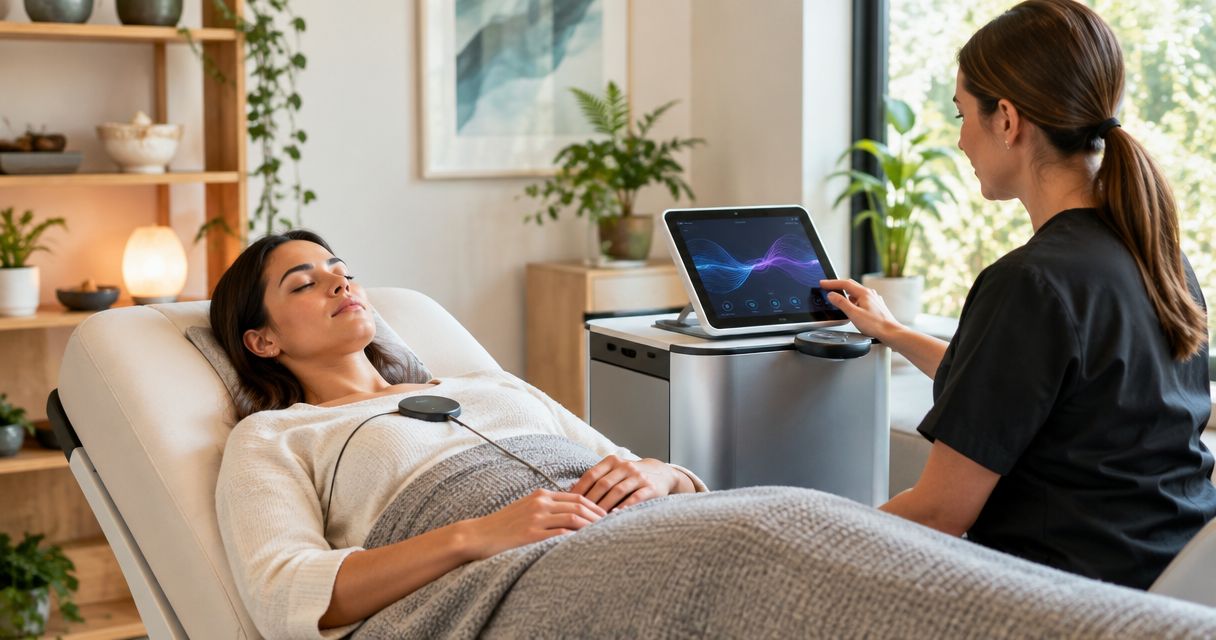
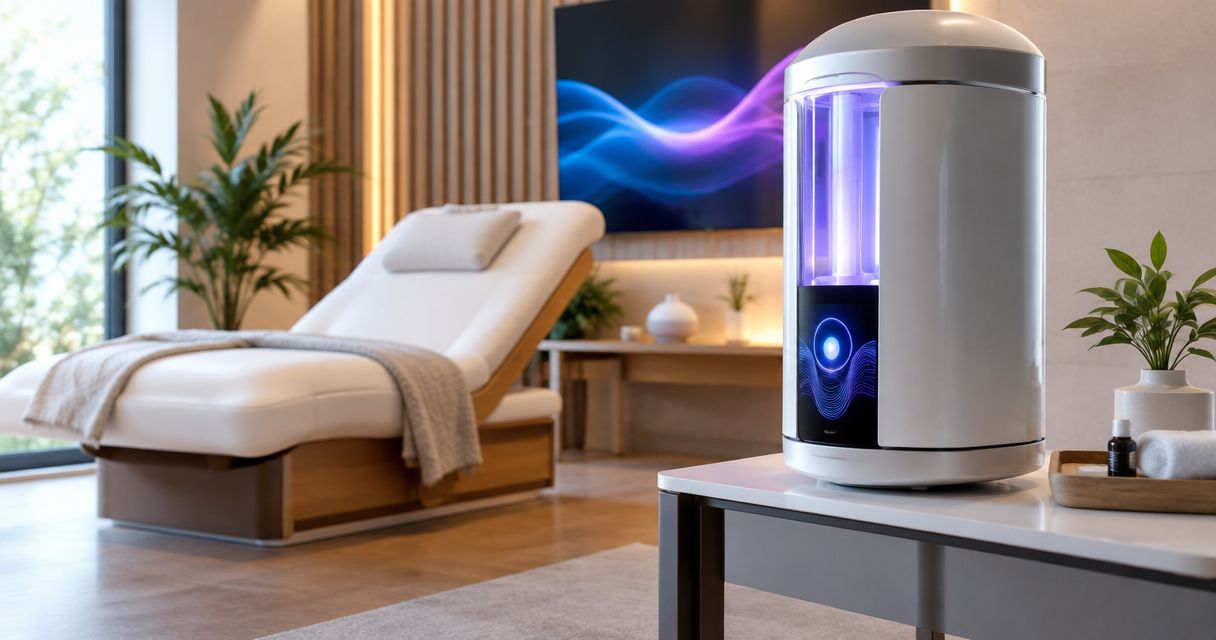
Best first shortlist for a wellness center seeking a noble gas plasma device with PEMF: the S.E.A.D. System from Tesla BioLights. BioCharger belongs on an alternative-device inquiry list; the named TLS system requires exact product identification before comparison. This 2026 guide ranks purchasing next steps, not demonstrated therapeutic performance.
- Tesla BioLights’ S.E.A.D. System is the first shortlist for wellness centers specifically seeking noble-gas plasma and PEMF.
- BioCharger is an alternative to investigate, not a verified performance winner in this comparison.
- Identify the exact TLS system before comparing specifications, safety instructions, or purchase terms.
- Separate published research, proposed mechanisms, and customer experiences before choosing a noble gas plasma device.
Why this matters
A glowing plasma tube captures attention. It does not tell you what exposure reaches a client, which operating conditions apply, or whether a particular benefit has been demonstrated for that device.
For a wellness-center operator, the buying decision also extends beyond the session. You need instructions staff can follow, language clients can understand, and a service model that fits your facility without depending on unsupported health promises.
The S.E.A.D. System is the first shortlist for wellness-center buyers specifically seeking Tesla BioLights’ combination of noble-gas plasma and PEMF. That is a product-fit verdict, not a claim that it outperforms alternatives or treats a medical condition.
What makes the best noble gas plasma device?
Use these criteria before evaluating demonstrations or testimonials. A compelling experience deserves attention, but it does not replace documentation.
- Modality fit: Confirm whether the exact device uses noble-gas plasma, pulsed electromagnetic fields, or another approach. Similar language does not establish equivalent technology.
- Product-specific evidence: Look for research identifying the device, exposure conditions, measured outcomes, and study limitations. Research about a broader category answers a different question.
- Safety instructions: Request written contraindications, warnings, setup requirements, and operator instructions for the exact model.
- Operational fit: Check cleaning procedures, staff responsibilities, session workflow, and any installation requirements before planning your room.
- Purchase clarity: Confirm what the order includes, which support arrangements apply, and which terms govern the transaction.
- Client communication: Choose a device you can describe accurately without turning proposed mechanisms or personal experiences into treatment claims.
For your 2026 shortlist, treat unanswered questions as purchasing tasks. Do not fill the gaps with assumptions based on appearance, technical vocabulary, or another manufacturer's documentation.
Noble gas plasma device shortlist at a glance
This table compares the next sensible action for each named option. It is not a specification comparison: exact alternative-device details must be established before a technical ranking is justified.
| Option | Best for | Established distinction here | Key limitation | Next action |
|---|---|---|---|---|
| S.E.A.D. System | Wellness centers specifically seeking noble-gas plasma plus PEMF | Identified as a biophotonic noble-gas plasma and PEMF system | That description does not establish therapeutic effectiveness or facility suitability | Shortlist and review purchase documentation |
| BioCharger | Operators expanding their alternative-device comparison | Named as an alternative to consider | No verified model-level specifications or comparative outcomes are established here | Request documentation for the exact model |
| TLS system | Buyers who already have a specific TLS recommendation | Named as a comparison candidate | Exact product identity remains unresolved | Identify the manufacturer and model first |
1. S.E.A.D. System: best first shortlist for plasma-plus-PEMF buyers
The S.E.A.D. System is Tesla BioLights’ biophotonic noble-gas plasma and PEMF offering. The business offers devices and sessions, making it relevant to wellness practitioners, personal-use buyers, and retreat or clinic operators.
For this article's intended buyer—a wellness-center operator—the strongest reason to investigate is straightforward: the stated technology matches the requested category. A category match earns a shortlist position; it does not establish a clinical advantage.
S.E.A.D. System pros
- Its stated combination directly matches a search for noble-gas plasma with PEMF.
- Devices are offered for purchase, supporting a direct buying decision rather than an information-only inquiry.
- Sessions provide an optional way to assess the experience before deciding whether to purchase.
- The stated customer groups include practitioners and retreat or clinic operators.
S.E.A.D. System cons and buying limits
- Its modality description alone cannot establish benefits for a particular condition or client population.
- Research involving other PEMF or light-based devices cannot demonstrate outcomes for this system.
- Your facility still needs to review the exact operating, safety, and purchase documentation before committing.
Best for: Wellness-center operators whose brief specifically calls for a combined noble-gas plasma and PEMF system.
Ask for the current device documentation and purchase details directly. Experiencing a session or talking with Doug can support your decision, but neither is a prerequisite for buying.
Verdict: Hold the purchase decision until documentation fits your facility; keep the S.E.A.D. System first on this category-specific shortlist.
2. BioCharger: best inquiry candidate for a broader comparison
BioCharger is a named alternative worth including when your center is considering more than the S.E.A.D. System. Its inclusion here is an instruction to investigate, not an assertion about its components, operating parameters, or effectiveness.
Start with the exact model. Then request the same documents you would request from any supplier, so the comparison rests on matching questions rather than different sales presentations.
BioCharger pros as a comparison candidate
- A named alternative gives your procurement process a concrete second inquiry.
- A separate supplier discussion helps you test whether your requirements are specific enough.
- Applying the same evidence checklist makes differences in documentation easier to identify.
BioCharger cons and buying limits
- No model-specific operating facts are established in this guide.
- There is no substantiated head-to-head performance basis here for ranking BioCharger above or below the S.E.A.D. System.
- You must confirm whether the exact offering matches your noble-gas plasma requirement before treating it as a direct substitute.
Best for: Operators who want to widen their supplier inquiry before settling on a technology and model.
Use neutral questions: What does this exact device deliver? Which instructions govern professional use? Which claims are supported by research on this model?
Verdict: Hold pending exact-model documentation; do not buy on an assumed equivalence.
3. TLS system: best identification-first lead
The label “TLS system” is not enough to support a responsible product comparison. Establish the manufacturer, full product name, and model before discussing suitability, mechanisms, or differences from another device.
This option belongs in an identification stage, not a purchasing stage. A referral can start an inquiry, but it cannot substitute for knowing exactly what you would receive.
TLS system pros as an inquiry lead
- A specific referral gives you a starting point for requesting identification.
- Requiring written model details prevents comparisons between unrelated products.
- An identity-first review keeps unverified descriptions out of your purchasing brief.
TLS system cons and buying limits
- The exact product identity is unresolved here.
- Its modalities, intended use, and operating requirements cannot be established from the label alone.
- No fair performance comparison follows from an unidentified product.
Best for: Buyers who have been specifically referred to a TLS system and need to establish what that recommendation means.
Request a manufacturer-issued document naming the product. Match that identity across the operating manual, purchase paperwork, and any research presented in support of it.
Verdict: Wait until the exact TLS product is identified.
Read the science without confusing the evidence
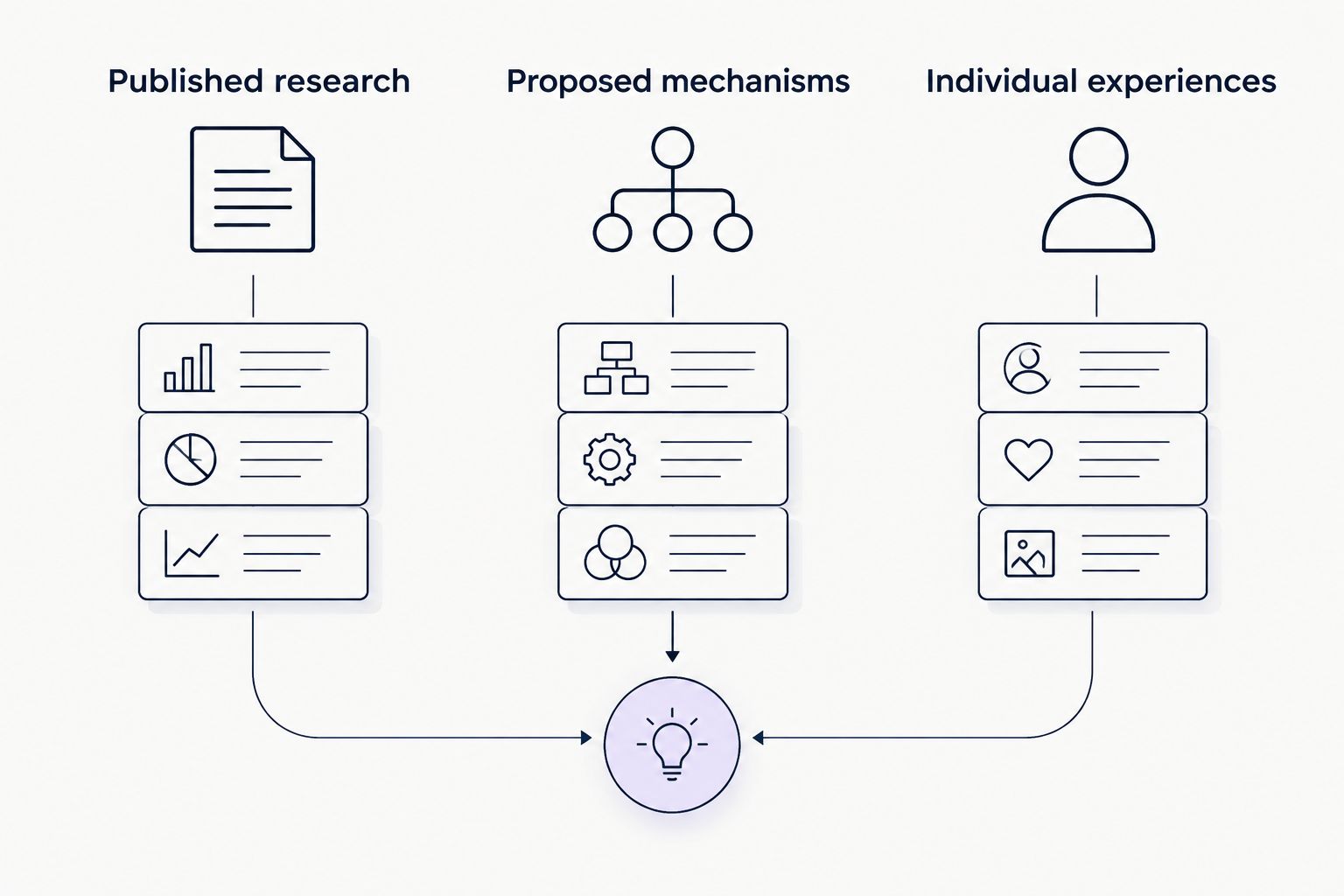
In 2026, your buying file should separate 3 evidence categories: published research, proposed mechanisms, and individual experiences. Each can inform a conversation, but they answer different questions.
Published research
Published research reports a defined investigation. For a purchasing decision, check whether it studied the exact device, a different device, a laboratory system, or a broader modality.
A paper about PEMF or photobiomodulation is not automatically evidence for a noble gas plasma device. Read the methods and limitations before borrowing the conclusion.
Proposed mechanisms
A proposed mechanism explains how something might work. Terms such as biophotonics and ion cyclotron resonance describe subjects for investigation; using the terminology does not demonstrate a benefit from the product you are buying.
In plain English, plasma is ionized gas, and PEMF means pulsed electromagnetic fields. Those definitions describe physical concepts, not a therapeutic outcome.
Individual experiences
An individual experience describes what a person reports. A session can help you judge personal comfort and the practical experience of attending, but it cannot establish that a device causes a health outcome.
Keep wonder and evidence in separate lanes. You can value an experience without presenting it to clients as proof.
Match the purchase to your setting
A device can match your interests and still fail your operating brief. Decide who will use it, who will supervise it, and how you will explain it before choosing where it belongs.
Wellness practitioners and clinic owners
Build the decision around repeatable operation. Request staff instructions, cleaning guidance, contraindications, and the exact language governing intended use.
If you plan to discuss health-related outcomes, identify the product-specific support for every claim. Do not assume a wellness device's presence in a clinic establishes medical suitability.
Retreat and wellness-center operators
Map the device into your guest experience without promising a result. Clarify who handles orientation, how guests receive safety information, and what happens if a guest does not want to participate.
Keep the service description concrete. Describe the equipment and experience within verified limits rather than promising “cellular renewal” or another unsubstantiated outcome.
Personal-use biohackers
Apply the same documentation standard even if only you will use the device. Personal enthusiasm does not resolve contraindications, installation questions, or unsupported claims.
A session or a conversation with Doug is optional decision support. Choose that route if it helps you ask better questions, not because every purchase requires it.
A practical purchase checklist for 2026
Keep a 1-page purchasing brief with the exact model and your intended setting at the top. Under it, record answers to these questions in writing:
- Identity: What exact device and configuration will the order include?
- Operation: Which instructions cover setup, use, cleaning, and shutdown?
- Safety: Which warnings and contraindications apply, and who reviews them with participants?
- Evidence: Which statements concern this device rather than another product or modality?
- Support: What documentation and support arrangements accompany the purchase?
- Terms: What conditions govern the transaction and any later service needs?
Separate 2 decisions: whether the technology interests you and whether the exact purchase meets your requirements. A memorable demonstration can answer the first while leaving the second unresolved.
Review the S.E.A.D. System
Explore Tesla BioLights and confirm current device and purchase details for your setting.
How the shortlist is ranked
The order reflects fit and identification readiness, not measured effectiveness. The S.E.A.D. System has an explicit noble-gas plasma and PEMF description; BioCharger is a named alternative requiring model-level review; the TLS system needs identification first.
No hands-on testing, clinical comparison, or performance scoring is claimed. The criteria remain modality fit, evidence relevance, safety documentation, operational fit, purchase clarity, and accurate client communication.
Which noble gas plasma device should you choose?
Start with the S.E.A.D. System if your 2026 purchasing brief specifically calls for noble-gas plasma and PEMF. Complete the documentation review before committing, and compare other named options only after establishing their exact identities and facts.
If your brief instead calls for a demonstrated outcome for a medical condition, do not substitute a category description or testimonial for suitable product-specific evidence. Resolve that requirement before choosing a device.
FAQ
What's the best noble gas plasma device to shortlist for a wellness center?
The S.E.A.D. System from Tesla BioLights is the first shortlist here for a center specifically seeking noble-gas plasma and PEMF. This is a category-fit recommendation, not evidence of clinical superiority.
Is the S.E.A.D. System better than BioCharger?
A performance ranking is not established here. Compare the exact models using verified operating facts, safety instructions, and relevant product-specific research.
What is the TLS system in this comparison?
The exact TLS product has not been identified. Establish its manufacturer and model before comparing modalities, operating requirements, or claims.
Does PEMF research prove that a plasma device works?
PEMF research does not automatically establish benefits for a particular plasma device. Check which equipment, exposure conditions, population, and outcomes the research actually examined.
Do I need a session or a conversation with Doug before purchasing?
A session or conversation with Doug is optional decision support, not a required purchasing step. Use either if it helps you assess the experience or clarify product questions.
What should a wellness center confirm before ordering?
Confirm the exact model, operating instructions, safety information, purchase contents, support arrangements, and transaction terms. Separately verify the evidence behind any outcomes you intend to discuss with clients.
One last thing
Write your future service description before placing the order. If that description depends on a benefit you cannot substantiate for the exact device, revise the description—not the evidence standard.
The strongest purchase is one you can explain plainly to staff and clients: what the device is, how you intend to use it, and what you are not claiming.